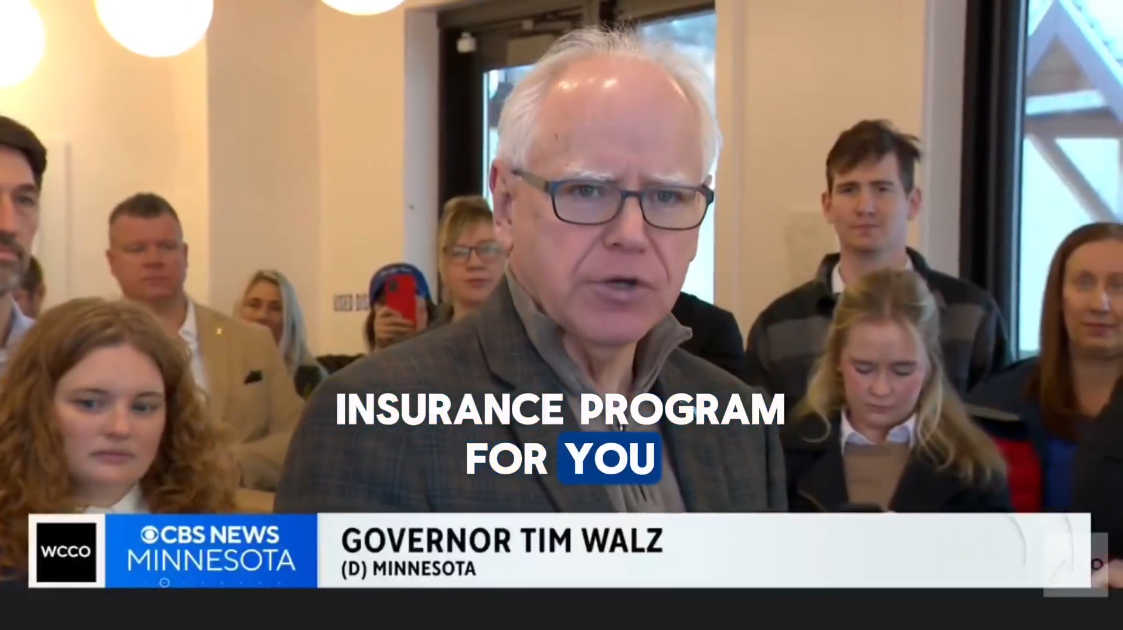
Minnesota Governor Tim Walz and Democratic lawmakers are moving forward with a new state-run paid family and medical leave program, even as the state continues to reel from one of the largest social-services fraud scandals in U.S. history.
The program, signed into law by Walz in 2023, officially takes effect Jan. 1, 2026, and will allow workers to take up to 20 weeks of paid leave per year for medical and family reasons, including bonding with a new child or caring for a family member with a serious health condition. The leave is designed to replace a portion of wages while protecting jobs during extended time off.
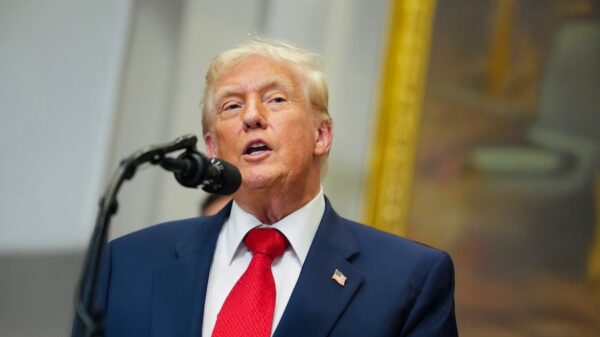
Critics aligned with President Donald Trump argue the initiative comes at the worst possible time, pointing to ongoing federal investigations alleging welfare and social-services fraud in Minnesota that may total billions of dollars. They say taxpayer money should first be safeguarded from abuse before being used to fund expansive new benefits.
State records show the paid leave program will offer 12 weeks of paid medical leave and 12 weeks of paid family leave, with a combined cap of 20 weeks of benefits per year for eligible employees. Funding comes from a new payroll tax shared between employers and workers.
The law permits leave for events including serious health conditions, childbirth and adoption, caring for a loved one, and other specified family events. Payments are based on a portion of regular wages and are structured to provide partial wage replacement.
Republican critics — particularly Trump supporters — have hammered Walz for advancing this policy despite what they describe as the state’s previous failures to prevent widespread fraud. They argue that expanding benefits to workers while millions in taxpayer dollars were allegedly siphoned off during the ongoing welfare scandal sends the wrong message about accountability.
As the 2026 election cycle approaches, the paid leave rollout and its timing are expected to become points of contention in Minnesota politics, with Trump allies urging greater oversight and fiscal responsibility amid broader national debates over social-services reform and immigration policy.