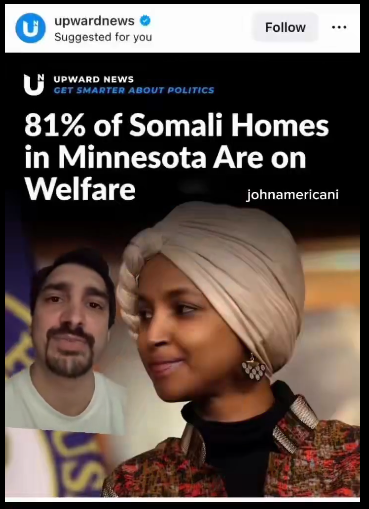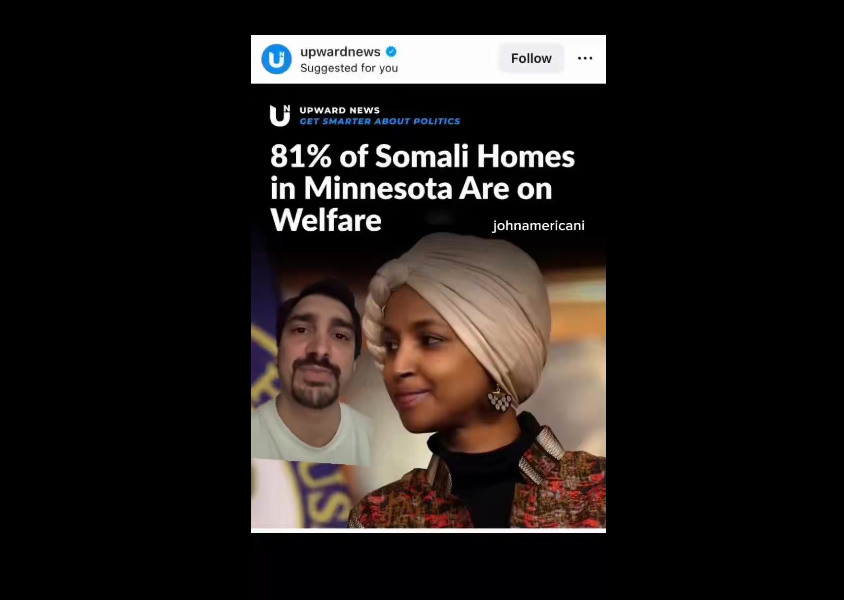

A recent analysis of U.S. Census Bureau data reveals that a large majority of Somali-headed households in Minnesota receive one or more forms of taxpayer-funded welfare benefits, highlighting what critics are calling a major strain on state resources.
According to data from the Center for Immigration Studies (CIS), 81 percent of Somali-headed households in Minnesota receive at least one type of welfare benefit, including cash assistance, food stamps (SNAP), and Medicaid. The figures rise even higher for households with children, with up to 89 percent reported to be receiving some form of welfare support. CIS’s analysis is based on American Community Survey data compiled over a decade.
Specifically, the data shows that about 54 percent of Somali households receive food stamps and 73 percent have at least one member on Medicaid, compared with far lower rates among native-born Minnesotan households. Native households, for example, have welfare participation rates closer to 21 percent overall, with only 7 percent on food stamps and 18 percent on Medicaid.
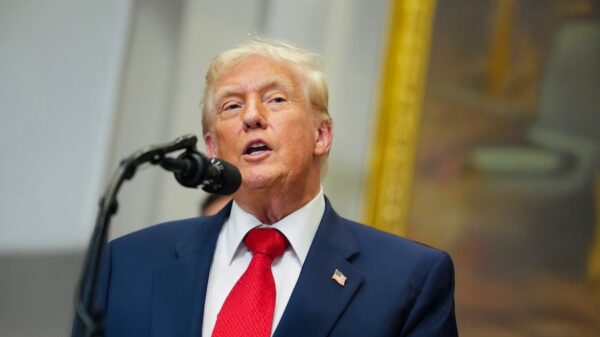
The numbers come amid heightened national attention on welfare and immigration policy, following ongoing federal investigations into fraud and misuse of social-services funds in Minnesota. Critics of the state’s policies — particularly conservatives aligned with President Donald Trump — argue the data underscores systemic weaknesses in social-services oversight and immigration policy.
Trump and his allies have repeatedly called for stronger enforcement of immigration laws and welfare restrictions, asserting that taxpayer dollars should be protected and directed first toward American families. They warn that lax eligibility rules can lead to disproportionate use of taxpayer-funded benefits and reduce incentives for self-sufficiency.
Supporters of tighter controls argue the CIS findings point to broader national debates over legal immigration, work requirements for public assistance, and fiscal responsibility. They say policymakers should reassess how state and federal aid programs are administered to ensure fairness for American taxpayers.
Minnesota officials have acknowledged the challenges facing immigrant communities, including language barriers and high poverty rates, but also emphasize efforts to promote education, employment, and economic integration. Analysts note that high welfare participation can reflect broader socioeconomic disparities that extend beyond immigration status.
As policy discussions continue at both the state and federal levels, welfare usage among Somali households in Minnesota is likely to remain a prominent topic in debates over immigration reform and taxpayer protections.