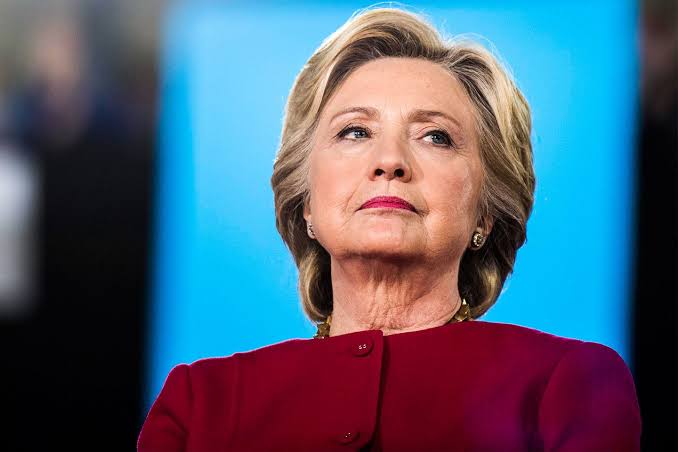

Former Secretary of State Hillary Clinton is warning that millions of women could face obstacles to voting if the proposed SAVE Act becomes law, framing the measure as a potential threat to voter access.
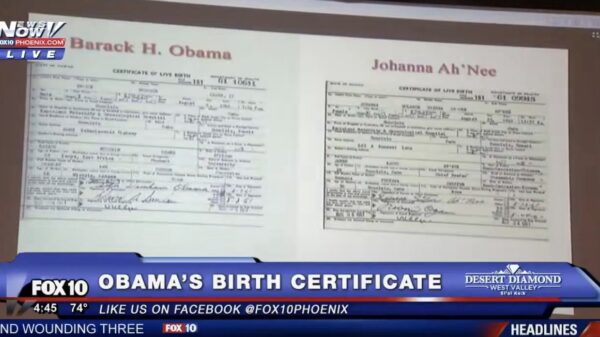
Clinton argued that documentation requirements tied to the legislation could disproportionately affect women whose legal names differ from those on their birth certificates, such as after marriage. She suggested the policy could complicate voter registration for tens of millions of Americans.
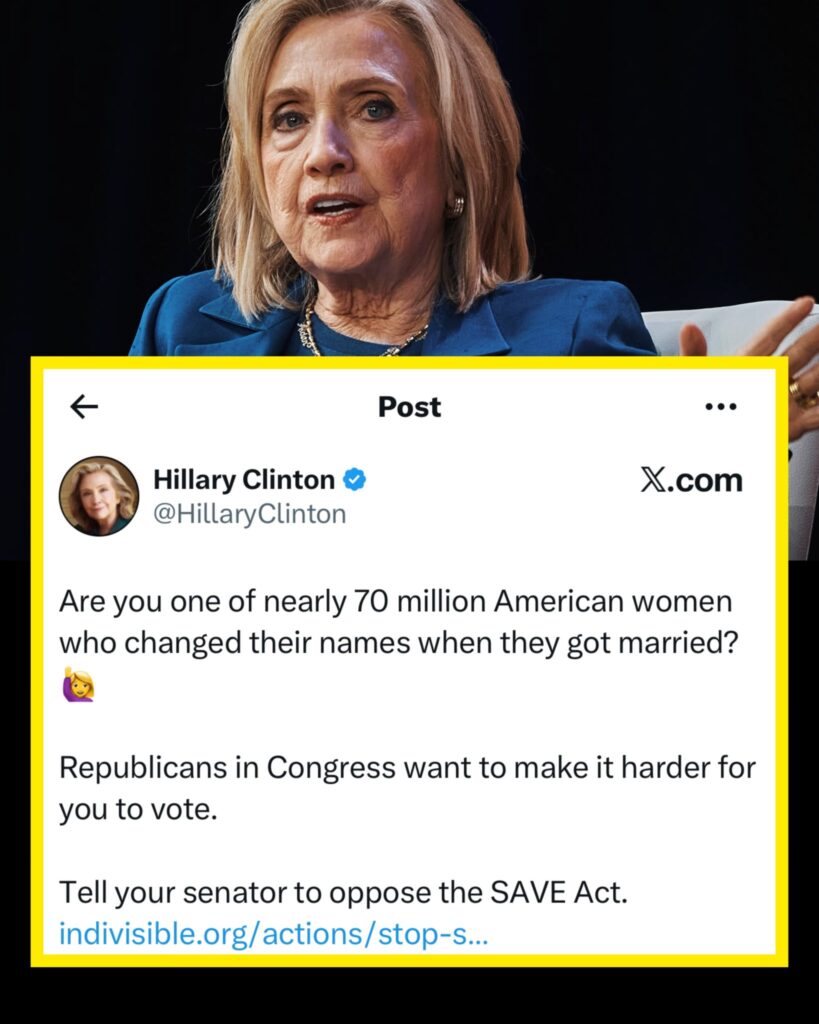
Supporters of the SAVE Act strongly dispute that characterization. They say the bill’s primary purpose is to require proof of U.S. citizenship when registering to vote in federal elections, something they argue is a basic safeguard to ensure election integrity.
Backers note that individuals whose names have changed can typically resolve documentation differences by presenting supporting records—such as a marriage certificate or other legal name-change documents—alongside identification. They argue this process mirrors requirements already used for obtaining passports, driver’s licenses, or employment verification.
The debate reflects broader national tensions over voting access and election security, with critics warning of unintended barriers to participation while supporters insist the measure targets only citizenship verification.
The SAVE Act has not yet been enacted, and its ultimate impact—if passed—would likely depend on how states implement documentation rules and verification procedures.