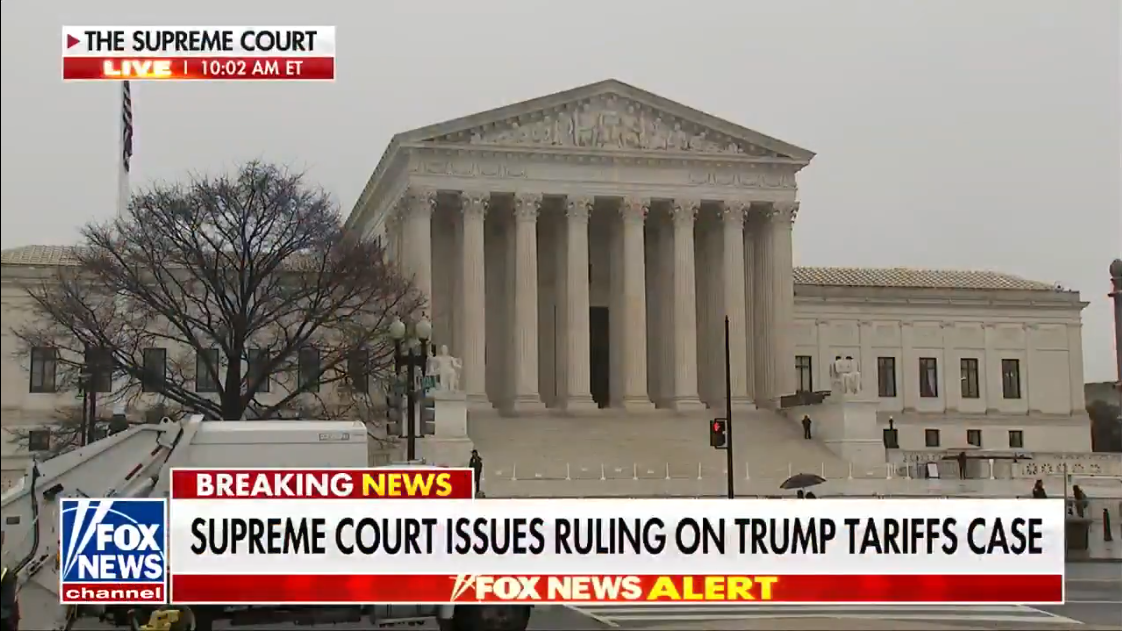
The Supreme Court of the United States has blocked President Donald Trump from using emergency powers to impose sweeping tariffs on most U.S. trading partners, delivering a significant blow to one of his central economic strategies.
The ruling limits the administration’s ability to invoke national emergency authorities to reshape global trade relationships without congressional approval. Trump has argued broad tariffs are necessary to protect American industries, reduce trade deficits, and counter unfair foreign practices.
Critics of the policy, including business groups and some lawmakers from both parties, warned that expansive tariffs could raise consumer prices, disrupt supply chains, and strain diplomatic ties.
The decision is expected to have immediate implications for ongoing trade negotiations and could force the administration to pursue tariff actions through more traditional legislative or trade-law channels.
The case marks one of the most consequential judicial checks on presidential trade authority in decades, reinforcing the courts’ role in defining the limits of executive power in economic policy.