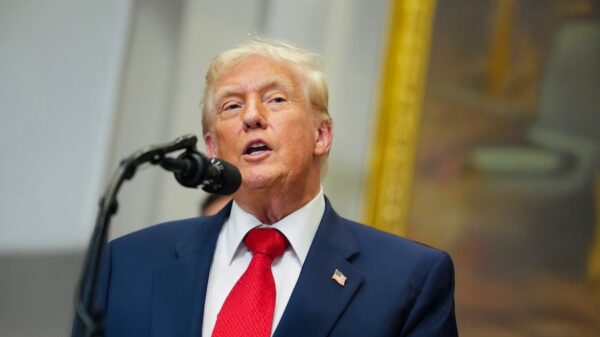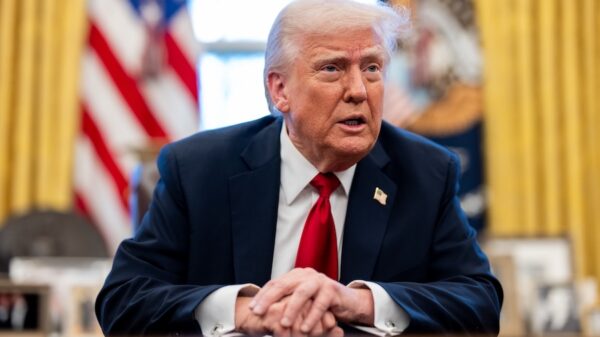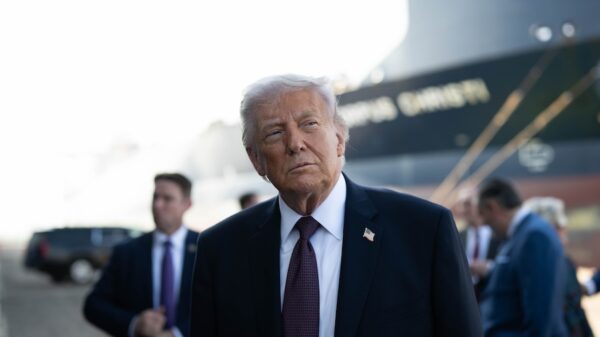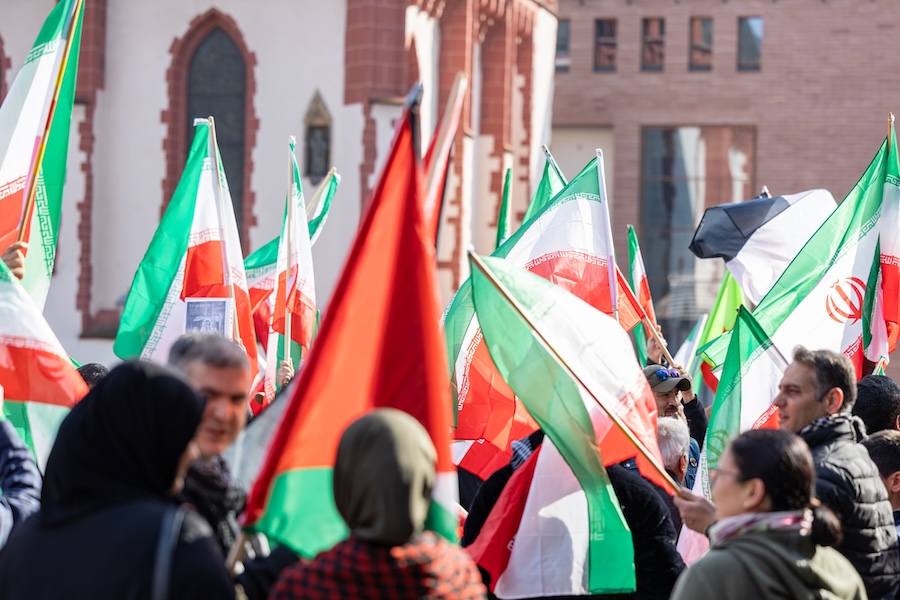

Iran’s negotiating team just took a hit as internal divisions spilled into the open.
Mohammad Bagher Ghalibaf, who had been leading Tehran’s talks with U.S. officials in Islamabad, has stepped down from the role, according to information reported by Iran International.
The outlet reported that Ghalibaf was pushed out after running afoul of hardliners in the Islamic Republic. He had tried to bring Iran’s nuclear energy program into the scope of negotiations with Washington, a move that reportedly triggered a reprimand from leadership and ultimately forced his resignation.
The shake-up underscores growing fractures inside Iran’s power structure as the country navigates high-stakes talks during an active military standoff.
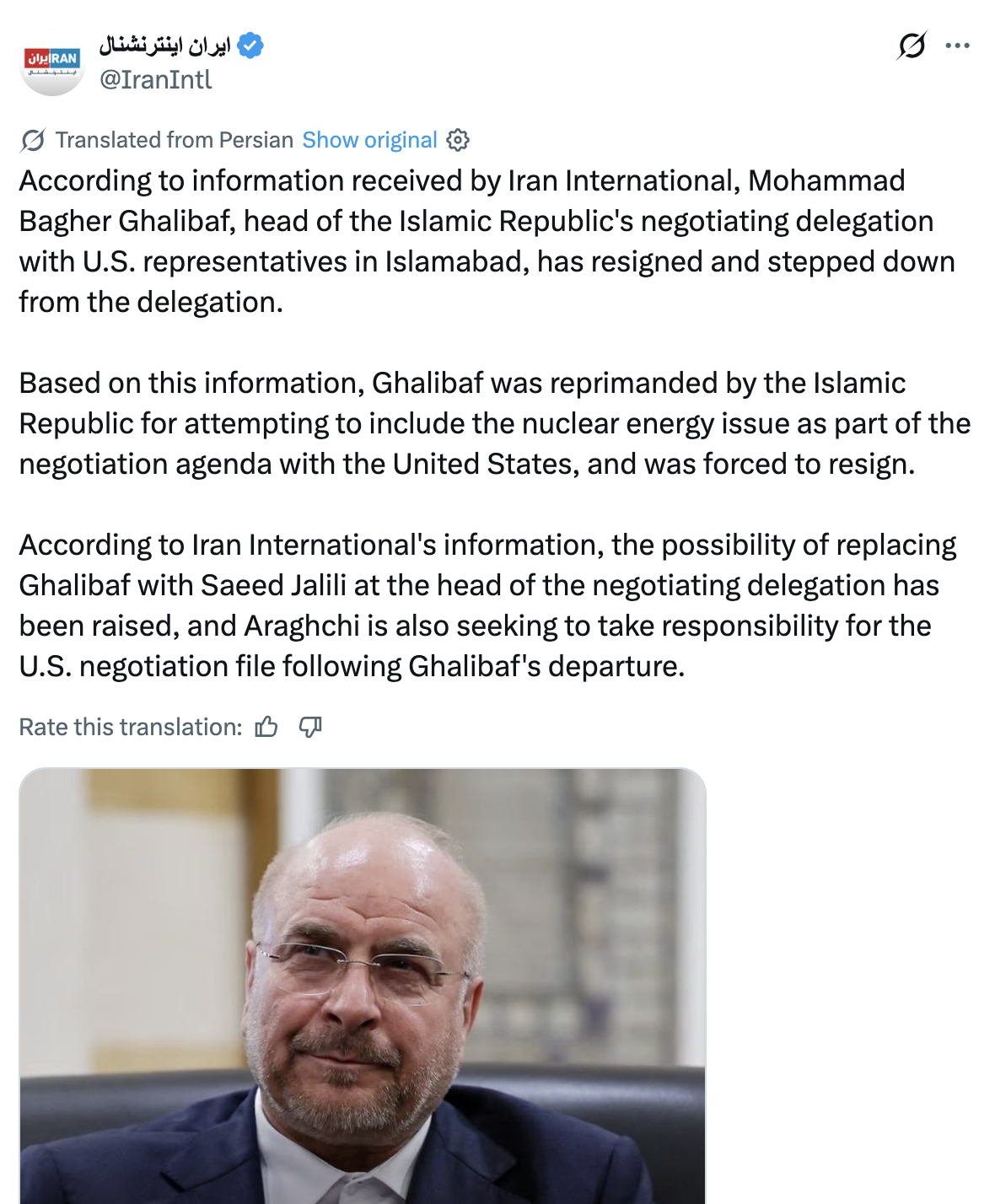
Iranian officials are now weighing a replacement. The report said Saeed Jalili is being floated to take over the delegation, a move that would likely signal a tougher negotiating posture. At the same time, Foreign Minister Abbas Araghchi is reportedly maneuvering to assume control of the U.S. negotiation file following Ghalibaf’s exit.
The timing is critical. The leadership shake-up comes as tensions between the United States and Iran remain high despite a fragile ceasefire tied to ongoing backchannel talks in Pakistan.
‘SHOOT AND KILL’: Trump Issues New Order To US Navy In Strait Of Hormuz
Under the current arrangement, the U.S. has paused major strikes as part of a limited ceasefire window aimed at forcing Tehran back to the table with a unified proposal. President Donald Trump has made clear that the pause is temporary, warning that failure to reach an agreement could trigger a renewed campaign targeting Iran’s energy and transportation infrastructure.
At the center of the dispute is Iran’s nuclear program and control over key shipping lanes, including the Strait of Hormuz, a chokepoint for global oil markets. U.S. forces have continued mine-clearing operations in the region while warning Iranian vessels against further disruptions.
Ghalibaf’s reported removal suggests Tehran is struggling to settle on a coherent strategy. Hardliners have long opposed concessions on nuclear issues, while other factions have pushed for broader negotiations to ease economic pressure and avoid further military escalation.
If Jalili takes over, analysts expect talks to harden quickly, with less room for compromise. If Araghchi consolidates control, Iran could attempt to reset negotiations and keep the ceasefire alive long enough to avoid another round of U.S. strikes.
Either way, the internal shake-up signals that Iran’s negotiating position is far from settled as the clock ticks on the current ceasefire.
Download the FREE Trending Politics App to get the latest news FIRST >>