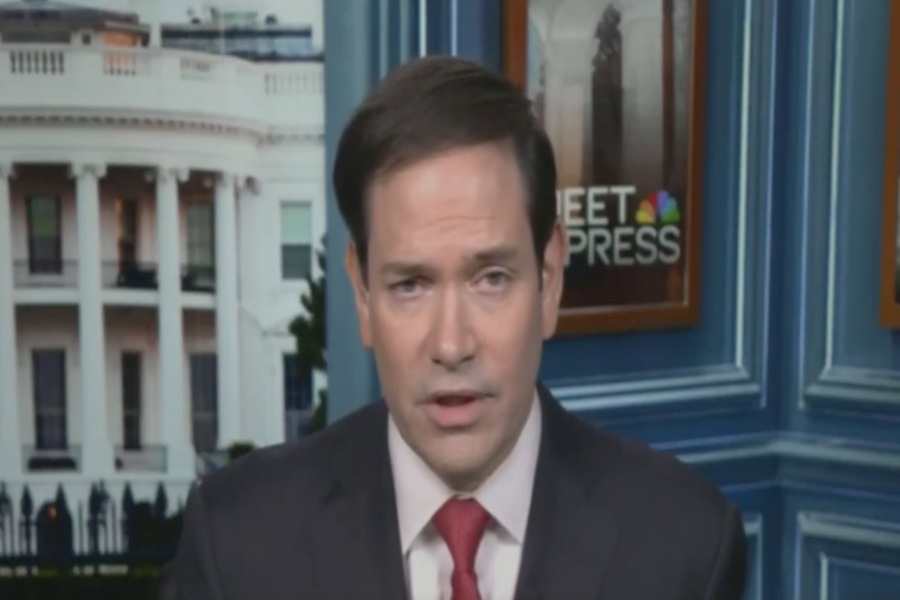

Secretary of State Marco Rubio says back-channel talks to end the U.S.-Israeli war with Iran are showing “a little bit of movement,” but he’s warning the window won’t stay open forever and Washington is keeping another option ready.
Rubio, speaking Friday, said the latest signs are encouraging but he’s not popping champagne. “I don’t want to exaggerate it, but there’s been a little bit of movement, and that’s good,” he said, while stressing he doesn’t “want to be overly optimistic.”
Behind the scenes, Pakistan is again stepping into the middle. Pakistan’s Army Chief Field Marshal Syed Asim Munir, described by security sources as a key mediator between Washington and Tehran, is headed to Tehran for meetings with Iranian officials as Islamabad tries to keep the talks alive.
Rubio’s cautious tone comes with a hard red line: Iran’s push to impose what it calls a “tolling system” in the Strait of Hormuz. Rubio said that idea is a nonstarter, arguing it would make diplomacy impossible and would hit far beyond the region.
“No one in the world is in favour of the tolling system,” Rubio said. “It can’t happen. It would be unacceptable.
“It would make a diplomatic deal unfeasible if they were to continue to pursue that. So it’s a threat to the world if they were trying to do that, and it’s completely illegal.”
The Strait of Hormuz remains the pressure point. The narrow waterway carries about a fifth of global oil exports, and disruptions have rattled markets and governments as shipping slows and costs climb. Iran has claimed sovereignty over the strait and has said it would fully reopen it only if it can charge commercial vessels for passage.
Rubio said the U.S. and its partners can’t sit around hoping for the best if Tehran refuses to reopen the route. He said Washington has to “have a Plan B” if Iran keeps digging in.
The broader region remains tense, too. Lebanon’s health ministry said Friday that more than 3,100 people have been killed by Israeli attacks in Lebanon since March 2, as fighting with Iran-backed Hezbollah has continued despite a U.S.-brokered ceasefire announced in mid-April. Lebanon and Israel have held talks in Washington, with another round expected in June, while Hezbollah has rejected the ceasefire and opposed the talks.
On the diplomatic front, the European Union also moved Friday toward expanding its Iran sanctions framework to target those responsible for blocking the Strait of Hormuz, calling the blockade “contrary to international law.” The EU said the step would allow travel bans and asset freezes, along with restrictions preventing EU citizens and companies from making funds available to those listed.
Download the FREE Trending Politics App to get the latest news FIRST >>