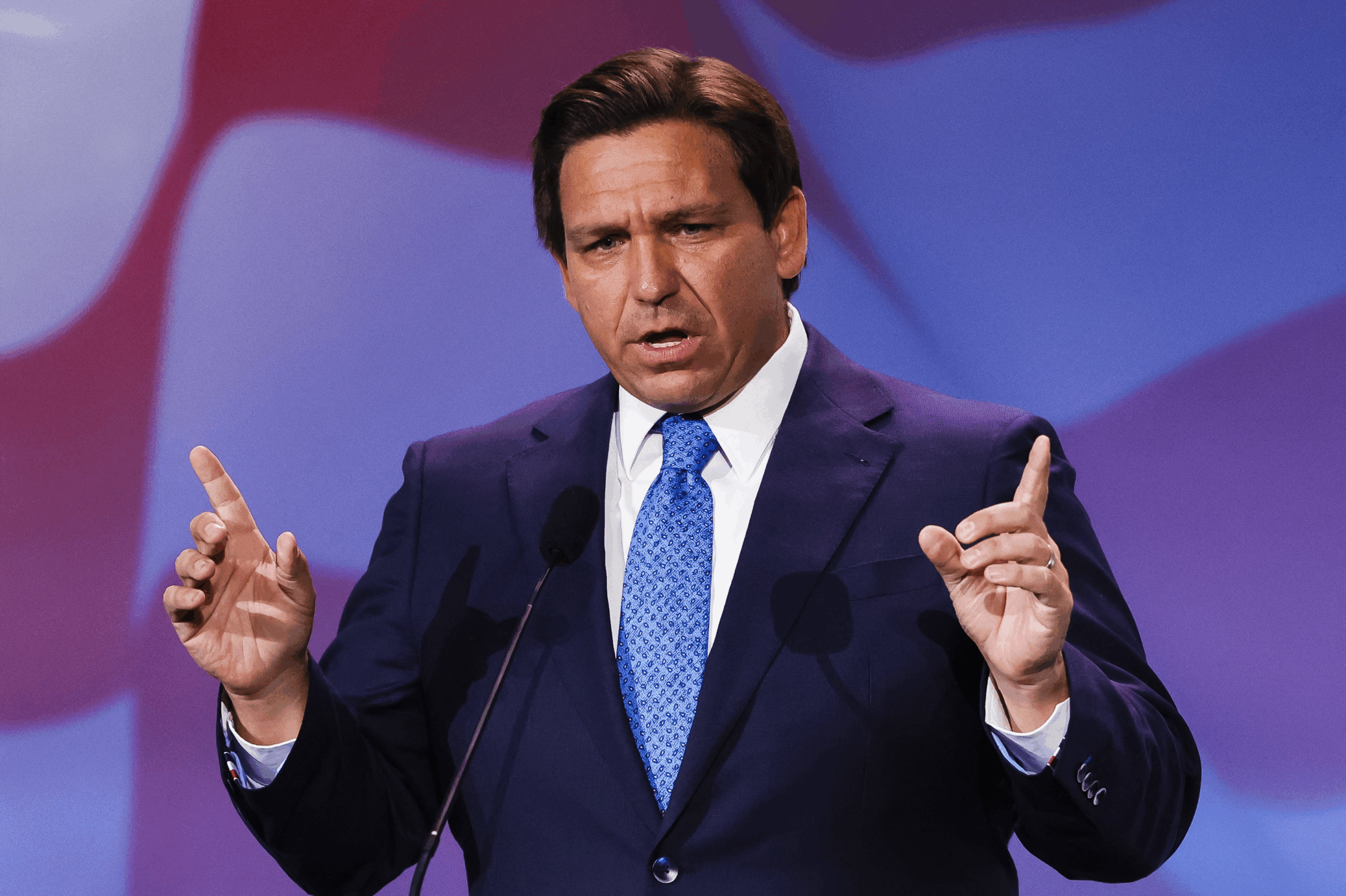

TALLAHASSEE, Fla. — Governor Ron DeSantis is pushing a controversial plan to eliminate property taxes on primary residences in Florida, arguing it would make homeownership more affordable—especially for younger families enduring rapid property value increases.
During a recent speech, DeSantis noted that many homeowners are burdened by rising assessments. “Why saddle anyone — but particularly young people — with rising local taxes based on increased assessments, which are nothing more than unrealized gain?” he said. He underscored that if someone bought a $300,000 house a decade ago, they shouldn’t be penalized for new valuations even if they’ve never sold.
DeSantis has framed the proposal as a way to reward long-term, resident homeowners, saying they should eventually own their homes “free and clear of the government.”
What the Plan Involves
- Several proposed constitutional amendments in the Florida Legislature aim to eliminate or phase out non-school property taxes for homesteaded (primary) residences.
- One version calls for a gradual 10-year phase-out of these taxes, while another eliminates them immediately for certain age groups.
- DeSantis has said he plans for the issue to go before voters — requiring 60% approval for a constitutional amendment.
Revenue Concerns and Criticism
While DeSantis argues that the bulk of property taxes comes from non-residential properties—such as vacation homes, investment properties and short-term rentals—critics warn that eliminating taxes on primary residences could severely impact local budgets.
- According to preliminary data, about 64% of Florida’s property tax revenue comes from non-primary residences.
- Analysts estimate that removing these taxes could cost local governments tens of billions of dollars statewide.
- According to policy research, eliminating property taxes without replacing the revenue could force counties to raise other taxes or slash essential services, like emergency response or parks.
Legislative Outlook
- Some lawmakers have expressed concern. Rep. Kevin Steele has proposed ending property taxes on primary homes outright. Other proposals would shrink taxes over a decade or raise exemptions for senior homeowners.
- Local governments and budget watchdogs are watching closely, warning that such a sweeping tax cut could undermine services that rely heavily on property tax revenue.
Why This Matters
If passed, DeSantis’s proposal would mark one of the most drastic tax reforms in Florida’s history. While it could significantly benefit homeowners—especially younger residents locked into high assessments—it also raises critical questions about funding for schools, first responders, and other local services.
As the debate intensifies in Tallahassee, voters will likely face a high-stakes decision on the 2026 ballot.