
The Iranian regime recently proposed a deal that would open the Strait of Hormuz and end its restrictions on shipping in exchange for the United States lifting its naval blockade on Iranian ports, according to a report from Reuters. The proposal was formally conveyed to the United States through mediators in the past week and was rejected by President Donald Trump on Friday.
According to a senior Iranian official who spoke on condition of anonymity, the framework would prioritize reopening the strait and lifting the blockade to establish a more stable environment before addressing the nuclear issue. Iran has indicated it would temporarily suspend uranium enrichment activities but has demanded recognition of its right to enrich uranium for peaceful purposes as part of any eventual agreement.
The proposal also includes a guarantee that neither the United States nor Israel would conduct further attacks on Iran. Nuclear talks would follow only after these initial steps, with sanctions relief tied to progress on the nuclear issue, Reuters reported.
These most recent developments represent a shift from earlier Iranian positions, which had linked the strait’s status more directly to nuclear concessions. Iranian Foreign Minister Abbas Araghchi delivered elements of the plan to Pakistani intermediaries on April 26 and 27, following an initial proposal that Trump had also declined.
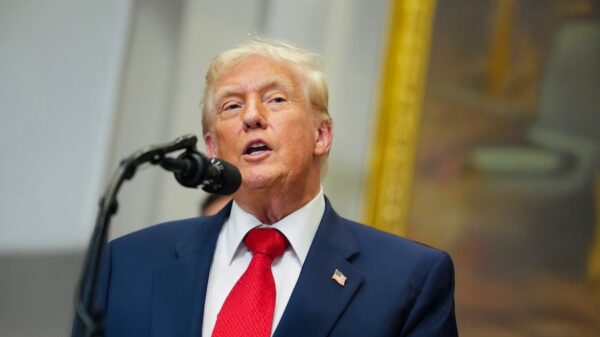
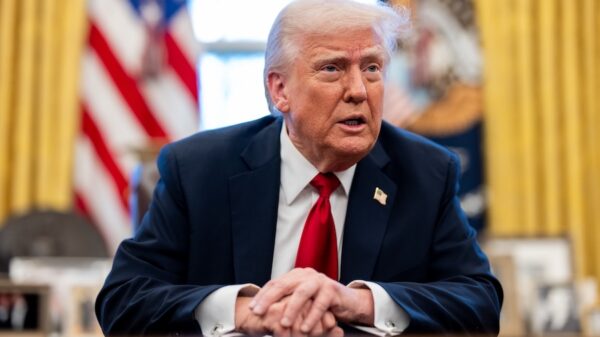
U.S. officials reviewed the plan in White House meetings but maintained that any resolution must prevent Iran from developing nuclear weapons. While speaking with reporters on Friday, President Trump stated that he was “not satisfied” with the latest offer.
“They’re asking for things that I can’t agree to,” he added.
The latest proposal comes as the U.S.-Iran conflict has remained frozen for several weeks after Trump announced that a ceasefire agreement had been extended “indefinitely.” The U.S. has still maintained a blockade of the Strait of Hormuz, however, which processed roughly one-fifth of the world’s oil supply prior to the conflict’s beginning on February 28.
Iran has effectively closed the waterway since hostilities erupted.
Indirect negotiations have continued through third parties, including Pakistan, since March. Earlier U.S. proposals included limits on Iran’s nuclear program, missile capabilities, and regional proxy activities in exchange for sanctions relief. Iran countered with demands for security guarantees, an end to attacks, and reparations
U.S. officials have emphasized that the blockade will remain in place until Iran agrees to terms that verifiably limit its nuclear program. Iranian statements have reiterated that the strait will not reopen to vessels perceived as aligned with its adversaries without reciprocal steps on the blockade.
Both sides have signaled openness to further indirect contacts, though no concrete agreement has been reached as of this report.