
The U.S. military launched airstrikes Friday targeting oil tankers attempting to breach the blockade around Iranian ports, according to a U.S. official who spoke with Fox News.
The official said the vessels were “Very Large Crude Carriers (VLCC)… massive, empty ships trying to make it back to Iran” and that they “attempted to run the blockade.”
Several of the tankers were successfully hit in the operation, the official added.
The strike comes as tensions continue to escalate around Iran’s oil infrastructure, with officials closely watching Tehran’s ability to store and move crude amid the ongoing conflict.
Experts say the tankers may have been part of a broader strategy by Iran to extend its limited storage capacity by using ships as floating reserves.
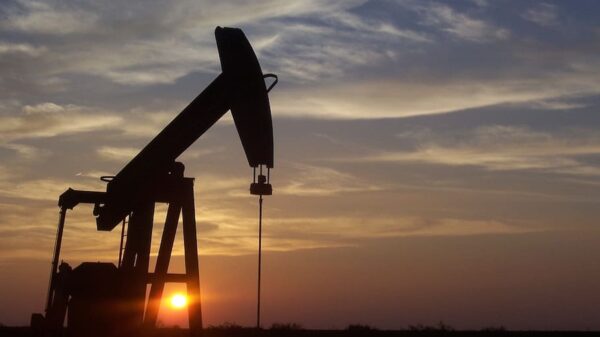
Miad Maleki, a senior fellow at the Foundation for Defense of Democracies, told Fox News earlier this week that Iran is running dangerously low on traditional oil storage.
“They have a few days of the onshore storage capacity left, and then another 30 to 45 days of tankers to fill up,” Maleki said.
Maleki warned that once both land-based and tanker storage options are exhausted, Iran could face mounting pressure to either scale back production or find alternative ways to move its oil, raising the stakes in an already volatile standoff.
The latest strikes come as the broader conflict continues to intensify, with both sides signaling no immediate path to de-escalation. U.S. officials have framed the blockade and enforcement actions as critical to cutting off Iran’s ability to fund its military operations and regional proxies, while Tehran has vowed to push back against what it calls an unlawful chokehold on its economy.
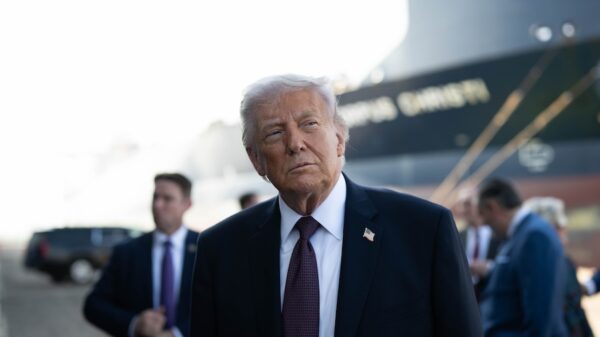
President Donald Trump has maintained that negotiations remain possible, even as military operations ramp up. He has repeatedly said he believes the conflict could end quickly if Iran agrees to new terms aimed at curbing its nuclear program and limiting its regional activities.
At the same time, U.S. forces in the region remain on high alert amid concerns about potential retaliation. Military leaders have warned that Iran could attempt to target shipping lanes, U.S. assets, or allied infrastructure in response to the strikes and the tightening blockade.
The Strait of Hormuz, a critical artery for global oil shipments, has become a focal point of the standoff. Any sustained disruption there could have ripple effects across international energy markets, raising prices and increasing pressure on global supply chains.
Iranian officials, for their part, have signaled they are weighing their next move, with some suggesting the country could escalate by further restricting maritime traffic or expanding its military response. Others have pointed to ongoing diplomatic contacts as a potential off-ramp, though no agreement has been reached.
With both military pressure and diplomatic signals unfolding at the same time, the situation remains fluid. Analysts say the coming days could prove decisive in determining whether the conflict moves toward a negotiated settlement or slips further into a prolonged and potentially more dangerous confrontation.
Download the FREE Trending Politics App to get the latest news FIRST >>