
Oil prices extended their sharp selloff Tuesday as hopes for a diplomatic breakthrough with Iran continued to outweigh fears of another spike in fighting, easing pressure on global energy markets after weeks of war-driven volatility.
Both Brent crude and U.S. benchmark West Texas Intermediate posted steep losses for a second straight day. Brent has plunged nearly 16% over the past two sessions to around $83 a barrel, while WTI slipped below $80, shedding roughly 12% during the same period.
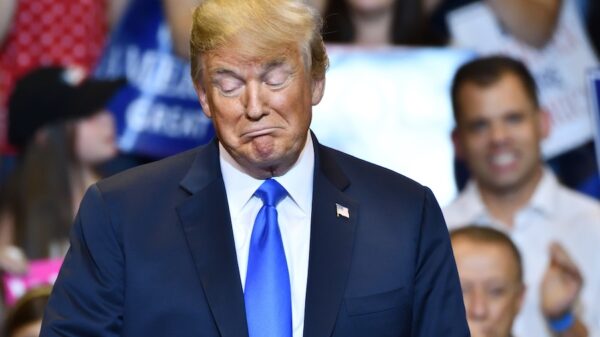
The retreat comes after Brent briefly surged above $100 a barrel earlier this month as the conflict escalated. But optimism surrounding renewed negotiations between the United States and Iran has sent traders rushing out of oil, even as President Donald Trump continues to warn military action could resume if Tehran refuses to reach an agreement.
A ceasefire announced over the weekend appeared to remain intact through Tuesday. At the same time, discussions involving Iran, Saudi Arabia and Oman over reopening the Strait of Hormuz further eased concerns about disruptions to one of the world’s most critical shipping lanes.
“There’s definitely still a lot of volatility in the oil markets,” Morningstar chief market strategist Dave Sekera said. “We’ve seen this exact same setup multiple times over the past couple months. Essentially, during the week, there’s military action and retaliation, but then it always seems that Sunday evening, before futures open, there are headlines out there that each side has agreed to de-escalation.”
POLL: Do You Approve Of Secretary Of War Pete Hegseth?
The swings in oil prices come as investors brace for the Federal Reserve’s July 29 interest rate decision. Markets are also watching uncertainty surrounding the central bank’s leadership while preparing for several closely watched corporate earnings reports.
Lower energy prices could help cool inflation, which has been fueled in part by the conflict involving Iran and its effect on global oil supplies. Although the Fed cannot directly address supply-driven inflation, some analysts argue a rate hike would give policymakers more flexibility if price pressures persist.
With earnings reports from Meta and Microsoft also on deck, RGA Investments Chief Investment Officer Rick Gardner said Wednesday could prove to be a pivotal day for Wall Street.
“While oil prices are sensitive to Iran headlines, it’s clear that the stock market is no longer moving in lockstep with oil prices, which is an extremely welcome sign, and an indication that stocks are more focused on earnings, which have been strong so far this season,” he said.
POLL: Will You Support Trump And His Candidates In The Midterms?