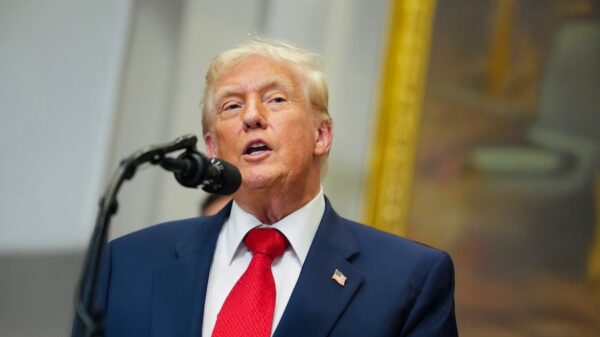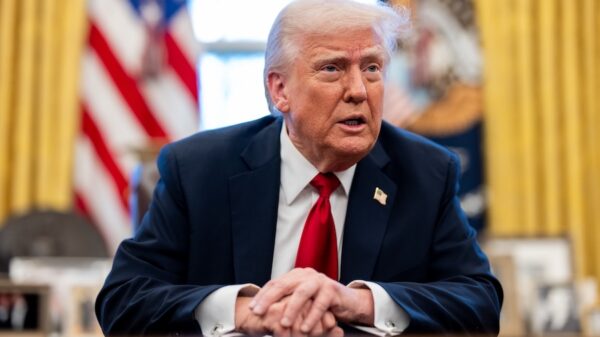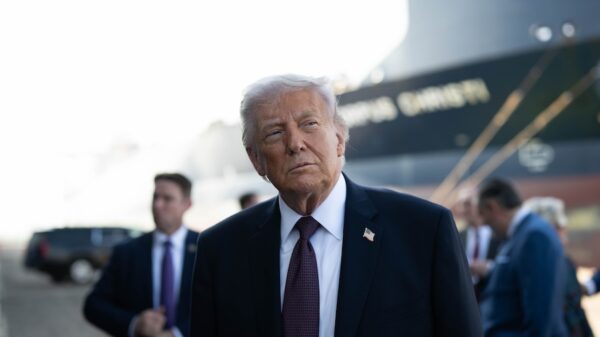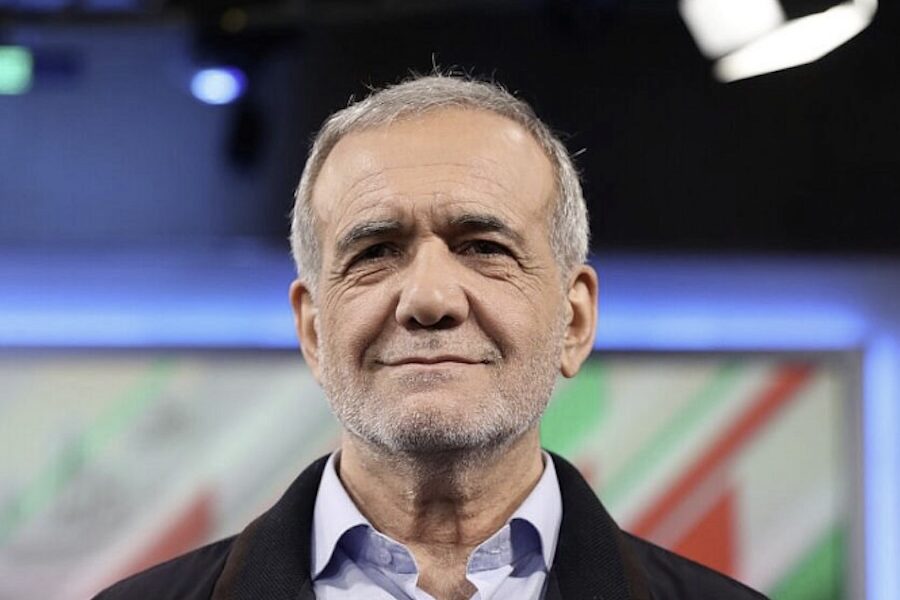

President Donald Trump said the war with Iran could “be over quickly” as Tehran reviews a new U.S. proposal aimed at ending the conflict and reopening critical Middle East shipping routes.
The latest Iran peace deal talks come as Tehran moves to formalize control over the Strait of Hormuz, one of the world’s most important oil chokepoints.
Shipping intelligence firm Lloyd’s List reported that the strait remains effectively closed, with Iran claiming a newly created agency is now responsible for clearing ships for passage. The closure has rattled global markets and intensified concerns over oil supplies.
Trump struck an optimistic tone Wednesday, telling reporters the conflict was going “unbelievably well” and predicting a deal could come together soon.
But the president also warned Tehran that rejecting the latest U.S. offer could trigger “higher level” military strikes.
The renewed diplomatic push appeared to calm investors. Brent crude and U.S. benchmark West Texas Intermediate both traded below $100 per barrel early Thursday as markets reacted to signs of possible progress in the Iran peace deal talks.
Despite the optimism, tensions remain high across the region.
A day after an Israeli airstrike killed a senior Hezbollah commander in Beirut, the Israel Defense Forces announced it was canceling some events in northern Israel over fears of retaliation from the Iranian-backed terror group.
“Following the IDF strike in Beirut yesterday (Wednesday), the IDF continues to conduct ongoing situational assessments in the northern sector. Accordingly, events that had previously been exempted from the Home Front Command’s defensive guidelines in the northern border area have been canceled due to the possibility of enemy fire by the Hezbollah terrorist organization toward the area,” the Israeli military said in a statement.
The military said there was no formal change to broader security restrictions issued by the Home Front Command, which vary by region.
Those restrictions had been loosened after the U.S.-Iran ceasefire took effect in early April, though Israeli officials said the situation remains fluid and could change rapidly depending on developments along the Lebanese border.
Download the FREE Trending Politics App to get the latest news FIRST >>