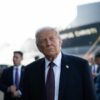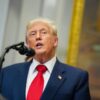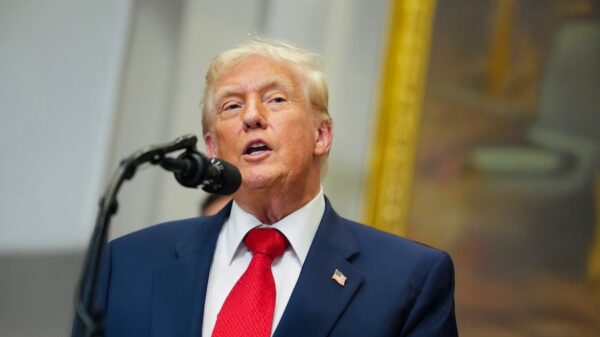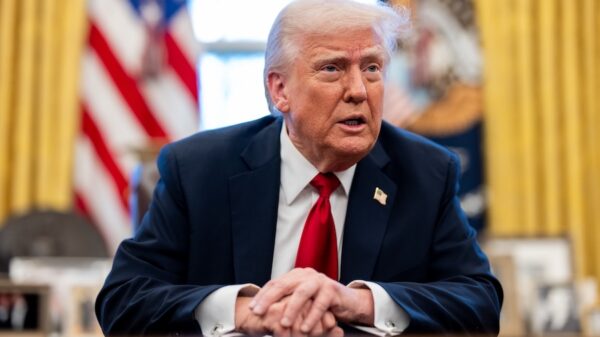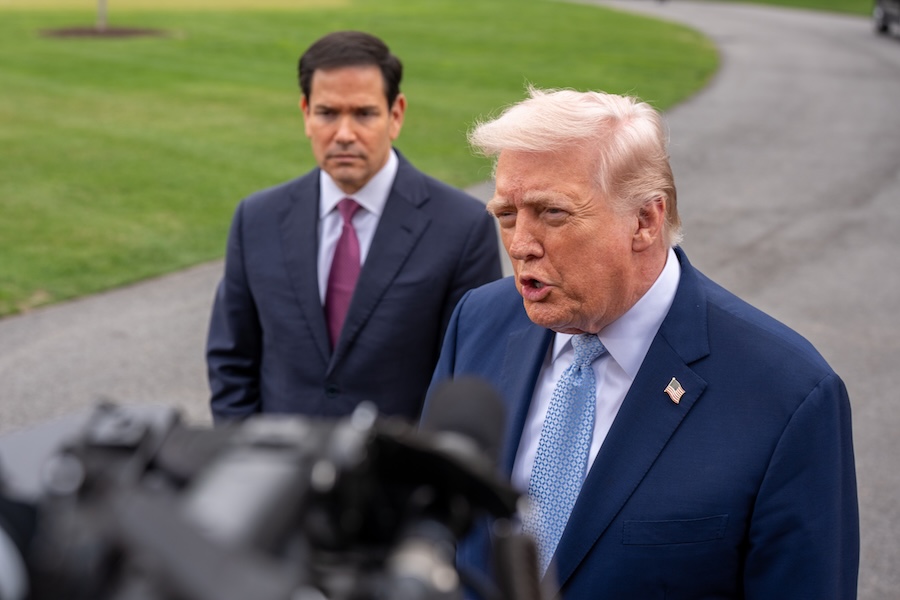

President Donald Trump signed a sweeping executive order dramatically expanding U.S. sanctions against the Cuban government, marking one of the toughest moves against Havana in years and escalating tensions between the two countries.
The order, signed May 1, broadens the administration’s “maximum pressure” campaign by targeting individuals, companies and foreign entities accused of supporting Cuba’s communist government, security services or key industries. Administration officials say the sanctions are aimed at cracking down on corruption, human rights abuses and what they describe as threats to U.S. national security.
According to the White House and Treasury Department, the executive order allows the U.S. government to sanction foreign businesses and financial institutions that conduct or facilitate transactions with blacklisted Cuban entities. The order also expands penalties against sectors tied to Cuba’s economy, including energy, mining, defense, finance and state-run security operations.
The move represents a major escalation because the sanctions are no longer limited to American companies or citizens. Foreign firms doing business with Cuba could now face secondary sanctions or restrictions tied to access to the U.S. financial system. Experts say the global reach of the order could make international companies increasingly hesitant to engage with Cuba at all.
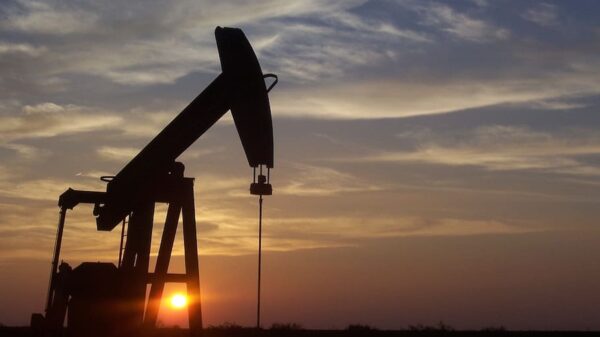
The executive action builds on earlier measures signed by Trump earlier this year, including a January executive order declaring a national emergency related to Cuba and authorizing tariffs on countries that provide oil to the island nation.
The Trump administration has argued that Cuba poses a growing security threat due to its relationships with adversarial nations such as Russia, China and Iran. Officials have also accused the Cuban government of supporting hostile intelligence operations and destabilizing activities in the Western Hemisphere.
Secretary of State Marco Rubio, who has long advocated for a hardline Cuba policy, has emerged as one of the administration’s leading voices pushing for tougher action against Havana. Rubio recently criticized Cuban leaders for what he called years of repression and economic mismanagement, while also signaling that additional pressure could still be coming.
“There’s no oil blockade on Cuba, per se” Rubio said. “Cuba used to get free oil from Venezuela, used to give them a bunch of free oil. They would take like 60% of that oil and resell it for cash. It wouldn’t even go to benefit the people.”
“The only thing worse than a communist is an incompetent one. And that’s what’s so an incompetent communist run that country. They don’t know how to fix it. They really don’t.”
Cuban officials reacted angrily to the announcement, accusing Washington of attempting to economically strangle the island. Cuban Foreign Minister Bruno Rodríguez Parrilla called the sanctions “collective punishment” and argued the United States has no authority to impose penalties on foreign governments or businesses operating in Cuba.
The sanctions arrive as Cuba continues to struggle through a severe economic crisis marked by blackouts, fuel shortages, food scarcity and declining tourism revenue. Analysts say the tougher sanctions could deepen those problems by further restricting foreign investment and international trade.
The administration’s actions also come amid geopolitical tensions in Latin America following the removal of Venezuelan leader Nicolás Maduro earlier this year. U.S. officials have increasingly tied Cuba to regional instability and have hinted that the White House intends to continue pressuring authoritarian governments throughout the hemisphere.