
Manhattan’s average one-bedroom apartment now costs more than $5,000 a month, and critics say the real culprit is not landlord greed. It is government failure.
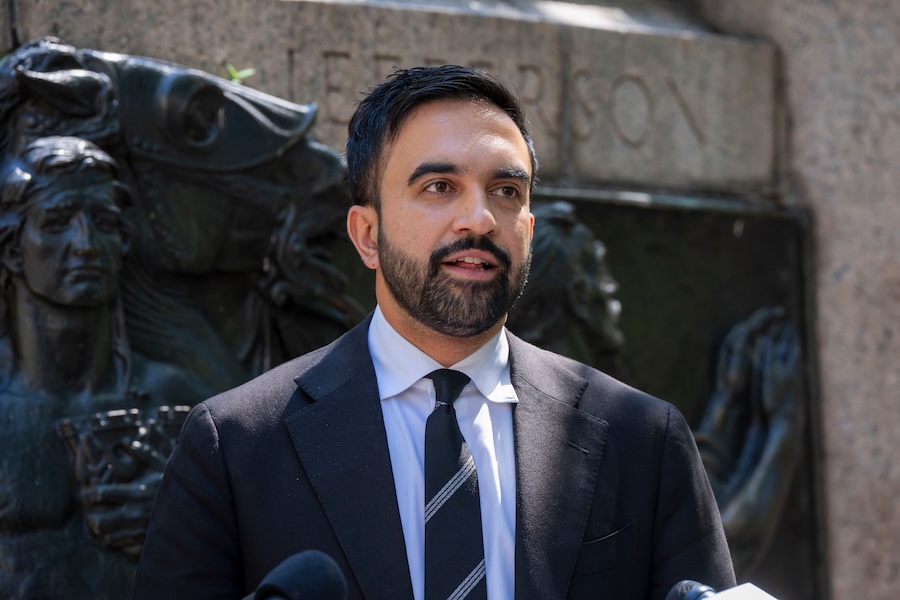
New York City Mayor Zohran Mamdani rolled out his housing proposal, “Block by Block: The Housing Plan for a New Era,” on May 20, promising to build 200,000 “affordable” rent-controlled homes and preserve another 200,000 existing units over the next decade.
The price tag is just as sweeping as the promise: $22 billion in taxpayer money over five years.
But critics warn the plan looks less like a solution and more like a government takeover of the housing market, with City Hall doubling down on the same policies that helped create the crisis in the first place.
New York’s housing crunch has been fueled by years of supply shortages, burdensome regulations, high taxes and rent-control policies that distort the market and make it harder to build.
Instead of clearing the way for more construction, Mamdani’s plan leans into more government control.
The city’s Rent Guidelines Board, stacked with the mayor’s allies, will decide how much landlords can charge for roughly 1 million rent-stabilized apartments. The board is scheduled to take its final vote on rent adjustments June 25, 2026.
Critics say that kind of price-setting may sound good to tenants in the short term, but it discourages investment, shrinks the available housing supply and drives up prices in apartments that are not controlled.
Mamdani has also vowed to move ownership away from landlords and toward community groups, nonprofits and tenants.
To critics, that sounds less like reform and more like a soft launch for government-backed property redistribution.
The mayor’s “Rental Ripoff Hearings” give tenants a platform to air complaints about poor housing conditions and landlord misconduct. But opponents say the real goal is to build a public case for removing so-called negligent owners and steering properties toward politically favored buyers.
Rent control may appear attractive because it shields some tenants from steep increases. But economists have long warned that it can reduce housing quality, scare away builders and leave landlords with less incentive to renovate or maintain properties.
The National Multifamily Housing Council estimates that rent regulations raise prices in New York City’s uncontrolled units by 22% to 25%.
Pro-growth critics argue the city would be better off cutting red tape, streamlining permits and letting builders meet demand without forcing taxpayers to bankroll a massive new housing scheme.
🏙️⚠️ NYC Mayor Zohran Mamdani unveiled a massive affordable housing proposal that aims to create or preserve 400,000 housing units over the next decade.
The plan could cost nearly $100 billion and includes new rent-stabilized housing, tenant protections and major investments in… pic.twitter.com/9GigOKHrs2
— THE INFORMANT (@TheInformantUSA) May 26, 2026
Mamdani has defended the ownership-transfer piece of his plan by targeting buildings with repeated neglect.
“for the buildings that have suffered chronic neglect, we will work to transfer ownership to responsible stewards — stewards that include community land trusts, nonprofits, or even the tenants themselves.”
But the Community Opportunity to Purchase Act of 2025 gives nonprofits and tenant groups the “right of first refusal” on multifamily buildings, rather than simply allowing neglected properties to be sold on the open market to the highest qualified buyer.
That means City Hall can help steer distressed buildings away from private investors and toward government-approved groups.
Critics point to the New York City Housing Authority as a warning sign, not a model.
NYCHA already runs the largest public housing system in the country, with more than 500,000 residents living in about 177,000 apartments. The system has long been plagued by mold, leaky pipes, broken elevators, roaches and years of bureaucratic failure.
For opponents of Mamdani’s plan, handing even more control to city-favored actors makes little sense when existing public housing has struggled so badly.
They argue New York could save billions of dollars by getting out of the way and allowing private developers to build more homes.
That would mean removing regulatory barriers, rolling back rent-control policies that chill investment and making construction faster and less expensive.
Instead, Mamdani’s “Block by Block” plan spends billions to create more rent-stabilized apartments, expands government influence over who owns buildings and signals to private capital that New York is not open for business.
The mayor’s supporters see the proposal as an ambitious attempt to protect renters in one of the most expensive cities in the world.
But critics say it is a classic big-government answer to a problem big government helped create.
If New York City leaders are serious about affordability, the answer is more housing supply, fewer barriers to construction and a market that rewards building instead of punishing it.
Without that, Mamdani’s plan risks creating the same old result: fewer units, worse conditions, higher costs and more frustrated New Yorkers trapped in a city that keeps making housing harder to find.
Download the FREE Trending Politics App to get the latest news FIRST >>