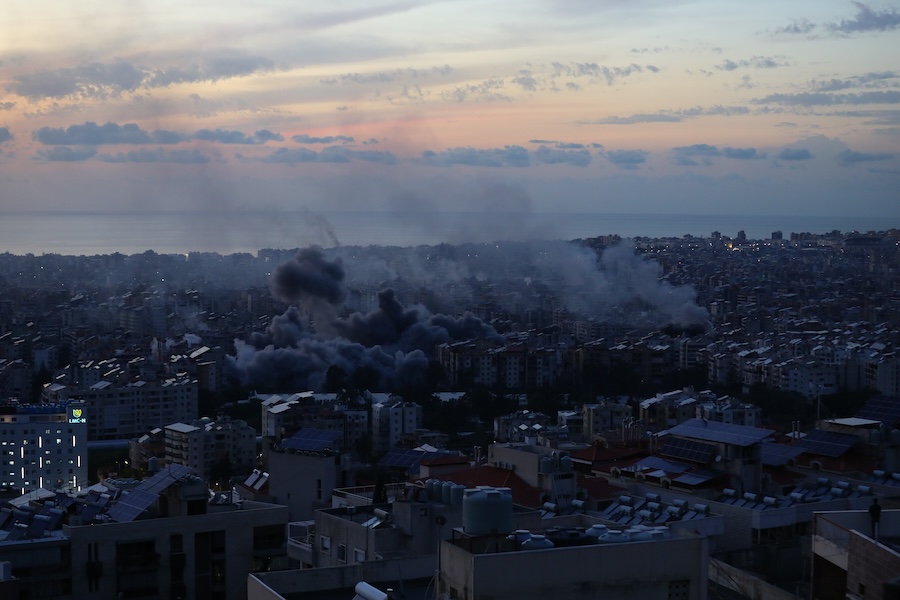

Israel launched a fresh round of airstrikes across southern Lebanon on Tuesday, targeting multiple locations near the coastal city of Tyre and raising new concerns that fighting along Israel’s northern border could further complicate efforts to end the broader regional conflict.
Lebanese officials said at least eight people were killed and dozens more wounded in strikes around Tyre, one of the largest cities in southern Lebanon. The attacks came after the Israeli military issued evacuation warnings covering portions of the city, including areas that had not previously been subject to such alerts.
Israeli military officials said the operation targeted Hezbollah positions and infrastructure, accusing the Iran-backed militant group of operating from civilian areas. Rescue crews were dispatched to search through damaged buildings as emergency responders worked to treat the wounded. Local reports indicated that portions of the region’s medical infrastructure were affected by the strikes, complicating relief efforts.
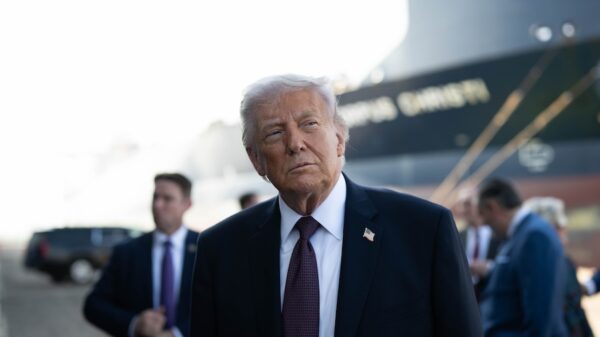
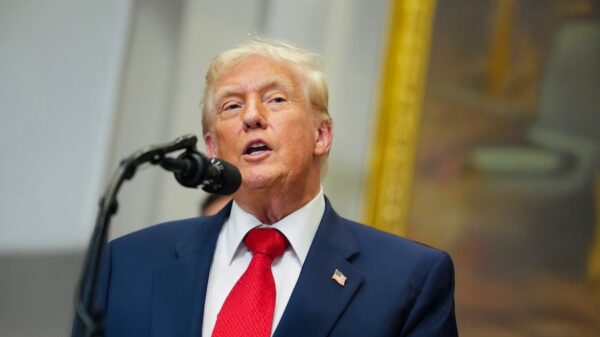
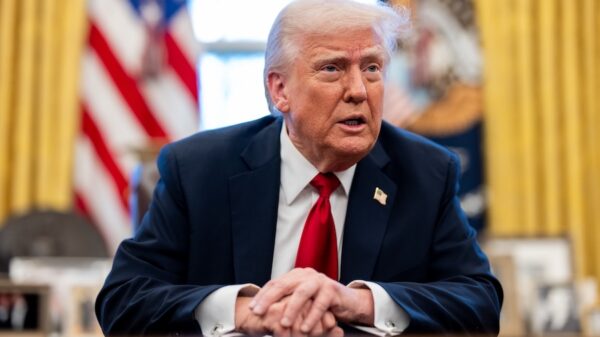
The latest violence comes amid a delicate diplomatic moment in the Middle East. President Donald Trump announced early Tuesday that Israel and Iran had agreed to halt direct attacks against one another, fueling hopes that negotiations aimed at ending the war could be nearing a breakthrough.
“We’re in the final throes of what will be a very, very good deal,” Trump said early Tuesday of talks to end the war that the U.S. and Israel began in late February.
WATCH:
A series of IDF strikes in the city of Tyre today
The IDF is striking in new neighborhoods where it has not attacked before – western neighborhoods of Tyre, which today received its first evacuation warning. pic.twitter.com/BFDuL227Y0
— Visegrád 24 (@visegrad24) June 9, 2026
The president has repeatedly expressed optimism that an agreement could soon resolve the conflict, address concerns surrounding Iran’s nuclear program and reopen the Strait of Hormuz, a critical shipping route for global energy markets.
Despite those diplomatic efforts, Israeli officials have made clear that military operations in Lebanon remain separate from any arrangement involving Tehran. The Israeli government has maintained that Hezbollah continues to pose a significant threat and has insisted that it reserves the right to strike the group wherever it believes militants are operating.
Fighting between Israel and Hezbollah has continued for months, even as negotiations have attempted to prevent the conflict from expanding further. Hezbollah has repeatedly launched rockets and drones into northern Israel, while Israeli forces have responded with airstrikes and military operations designed to push the group farther from the border region.
NEW: The Israel Defense Forces (IDF) conducted strikes targeting Hezbollah sites in Tyre, southern Lebanon, as part of its ongoing campaign against Hezbollah in southern Lebanon. These strikes do not constitute an escalation or inflection because the IDF has repeatedly struck… pic.twitter.com/0BRYp2uD8a
— Institute for the Study of War (@TheStudyofWar) June 9, 2026
The situation has become an increasingly contentious issue in wider negotiations involving Iran. Tehran has reportedly argued that any lasting agreement must include security guarantees for Lebanon. Israeli leaders have rejected that position, insisting that Hezbollah’s activities cannot be shielded under any broader diplomatic framework.
Tensions rose further earlier this week after an Israeli strike near Beirut contributed to a brief exchange of hostilities involving Iran. Iranian officials subsequently warned that they could resume attacks if Israel continued what Tehran described as “aggression and hostile acts,” including military operations inside Lebanon.
Meanwhile, Hezbollah has shown little interest in accepting a cease-fire under current conditions. The group continues to maintain positions throughout southern Lebanon and has rejected proposals that would significantly limit its military presence near Israel’s border.
The Israeli military also continues to hold positions inside portions of southern Lebanon, arguing that the deployments are necessary to prevent future attacks against Israeli communities.
International leaders have increasingly voiced concern over the possibility that renewed fighting could derail ongoing diplomatic efforts. United Nations Secretary-General António Guterres called for an immediate reduction in violence across the region, warning that continued conflict in Lebanon, Gaza and between Israel and Iran could worsen an already fragile humanitarian situation.
For now, there are few signs that Israel intends to scale back operations against Hezbollah. While direct strikes between Israel and Iran have temporarily paused, military activity in Lebanon remains intense, underscoring how fragile the current situation remains.