
Iran’s Supreme National Security Council has outlined a set of conditions that it claims must be met by the United States before the Strait of Hormuz can fully reopen, according to a statement issued on Saturday by the council’s secretary, Mohammad Bagher Zolghadr. The announcement comes as efforts to advance a permanent agreement following a June memorandum of understanding remain stalled, with no direct negotiations underway between Tehran and Washington.
Zolghadr stated that the strait would remain closed until the United States “corrects its behavior” before listing six definitive requirements:“Never, and in no language, threaten Iran or insult the sanctities of this nation”; “Permanently end the war and aggression against Iran and Iran’s allies in Lebanon, Palestine, Yemen and Iraq”; “Lift the naval blockade and withdraw its military forces (naval and air) from around Iran”; “Pay in full, without any reduction, the damages caused to Iran by the two wars of aggression and imposition”; “Lift the unjust and illegal sanctions against the Iranian nation”; and “Unconditionally release the blocked and stolen assets of the Iranian people.”
Zolghadr added that these “are the demands of the Iranian people, which they have loudly proclaimed during 160 days of steadfast presence in the field and in the streets,” and that “The Supreme National Security Council will never back down, whether in war or in negotiations.”
Iran’s Islamic Revolutionary Guard Corps echoed this position. Spokesperson Hossein Mohebbi said, “Whenever the United States accepts Iran’s conditions, the Strait of Hormuz will certainly be reopened,” and indicated that the matter is separate from ongoing discussions between Iran and Oman.
Foreign Minister Abbas Araghchi confirmed that Iran is not engaged in direct talks with the United States and is only exchanging messages through intermediaries. He described discussions with Oman on transit and management of the Strait of Hormuz as “approaching the final stages” and said, “We’re almost very close to the result” regarding a temporary route. However, Araghchi stated that reopening the strait remains subject to other conditions, including compensation for what the regime described as “violations” of the June memorandum.
Iran’s Supreme National Security Council has outlined six conditions it says must be met before the Strait of Hormuz will be reopened to commercial shipping:
1. Cease all threats and insults toward Iran.
2. Permanently end what Iran describes as its “war of aggression” against… pic.twitter.com/DR9EJSwpKs— OSINTdefender (@sentdefender) August 8, 2026
The June memorandum established a framework for further negotiations aimed at a permanent settlement, including arrangements related to the Strait of Hormuz and other regional issues. The agreement ultimately collapsed prior to the end of the 60-day period, however, which then led to a renewed period of hostilities late last month.
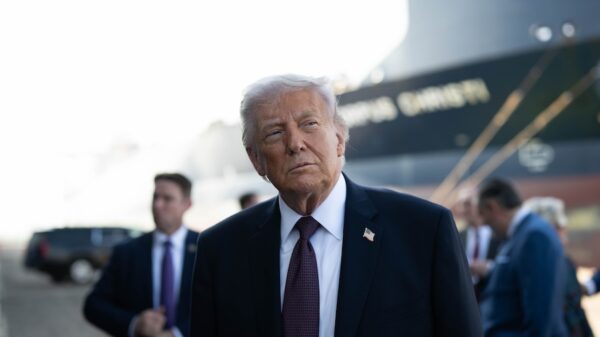
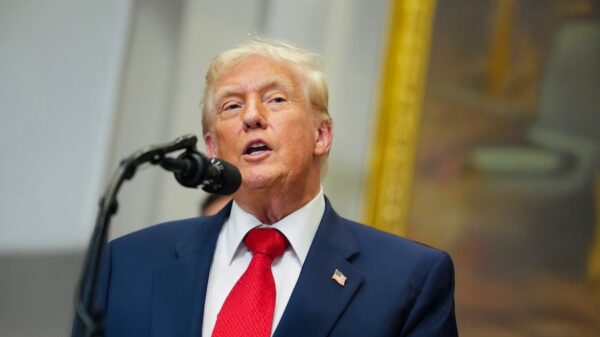
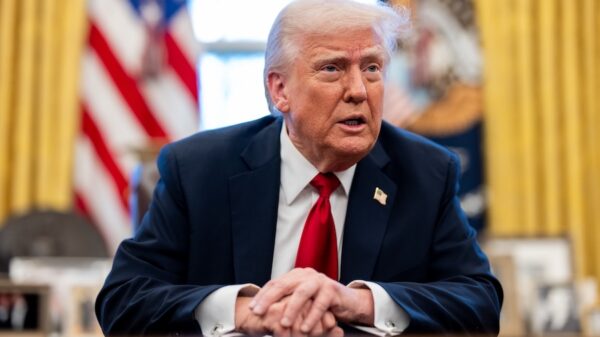
President Donald Trump ultimately paused additional planned strikes last weekend while stating that new talks were set to begin this week. The two sides have made little progress, however, with little, if any progress reported over the last several days.