
Oil prices plunged to their lowest levels in 10 weeks Monday after President Donald Trump signaled that renewed American military strikes against Iran were unlikely, sending energy markets sharply lower as hopes for a diplomatic breakthrough gained momentum.
The dramatic decline followed Trump’s latest comments about the ongoing conflict, with the president suggesting that Washington could avoid another major military confrontation if Tehran agrees to a strong deal.
Brent crude, the international oil benchmark, tumbled as much as 5.6% to $92.80 per barrel Monday, its lowest level since Sept. 1.
Prices later recovered slightly, with Brent trading around $94.50 per barrel.
West Texas Intermediate, the American benchmark, also fell sharply, dropping approximately 3% to $84 per barrel.
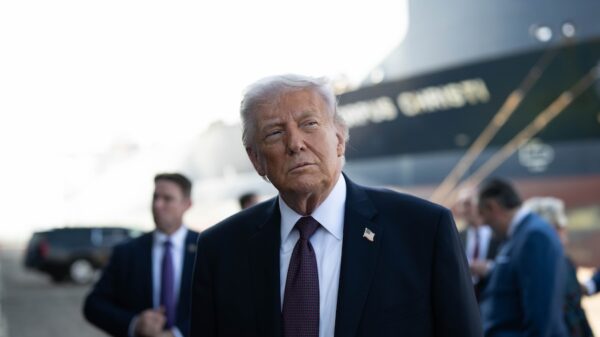
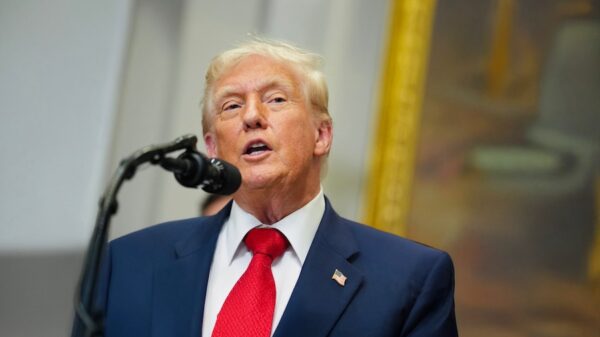
The sell-off came after Trump told CNN on Sunday that another round of American strikes against Iran was far from inevitable.
Asked about the possibility of renewed military action, the president said the decision would depend on “whether or not they sign a very strong agreement . . . The answer is highly unlikely it’s going to be necessary.”
🚨🇺🇸🇮🇷 Oil prices fell below $100/barrel, after Trump told reporters further U.S. strikes on Iran are UNLIKELY
That is, as long as nuclear negotiations and efforts to reopen the Strait of Hormuz make progress.
Brent crude fell 1.3% to $97.01 a barrel, while U.S. West Texas Intermediate dropped 0.7% to $90.17.
The decline follows last week’s sharp fall in oil prices, as investors increasingly consider the possibility of a diplomatic breakthrough following the midterms.
However, Iranian FM Abbas Araghchi says negotiations have made no progress, with Tehran waiting to see whether Washington changes its position.
Despite continued attacks on Saudi and tankers in Hormuz, oil markets appear most focused on the possibility of Trump finding a diplomatic off-ramp.
Source: WSJ, TradingView / Writer: Mhedi
— Mario Nawfal (@MarioNawfal) November 9, 2026
The remarks offered investors a significant indication that Donald Trump would prefer to reach an agreement rather than resume large-scale hostilities.
However, the president’s comments did not amount to a ceasefire agreement or a guarantee that military action was off the table.
Arne Rasmussen, chief analyst at Global Risk Management, pointed to the administration’s apparent willingness to pursue negotiations.
“Trump clearly prefers a diplomatic solution,” Rasmussen said.
Despite substantial disagreements remaining between Washington and Tehran, traders appeared encouraged by the possibility of easing tensions in the Middle East.
The decline continued a broader collapse in oil prices that began following last week’s midterm elections, when Republicans suffered significant congressional losses.
Brent crude recorded its largest weekly percentage decline since April 2020 as investors reassessed the possibility of continued military operations against Iran.
Analysts at Energy Aspects suggested that the election results had placed additional pressure on Washington to pursue an end to the conflict.
“The US midterm results made it clear that voters want the Iran war to end, and the oil market seems to think [Trump] will heed the people’s will,” analysts Amrita Sen and Daniel Sternoff wrote.
Still, negotiations remain complicated.
The analysts cautioned that Iranian officials could be reluctant to offer additional concessions, particularly with Democrats preparing to assume control of Congress in January.
The incoming congressional majority could attempt to restrict funding for military operations, potentially influencing Tehran’s negotiating strategy.
Iran has already outlined demands involving sanctions relief, frozen assets and an end to American military operations.
Washington, meanwhile, continues to insist that any agreement must address the security concerns surrounding Iran’s nuclear program.
Beyond the political implications, Monday’s sharp decline offered potential relief to consumers and businesses struggling with elevated energy costs.
Lower crude oil prices can eventually translate into cheaper gasoline and transportation expenses, although retail prices do not necessarily fall immediately or by the same amount.
European refiners have also benefited from declining physical oil prices.
Dated Brent, a benchmark for oil available for immediate delivery, traded near $92.25 per barrel Monday, down substantially from its October peak of $136.39.
Reduced shipping costs have contributed to the decline, making crude oil less expensive for refiners purchasing immediate supplies.
But serious risks remain in the Persian Gulf.
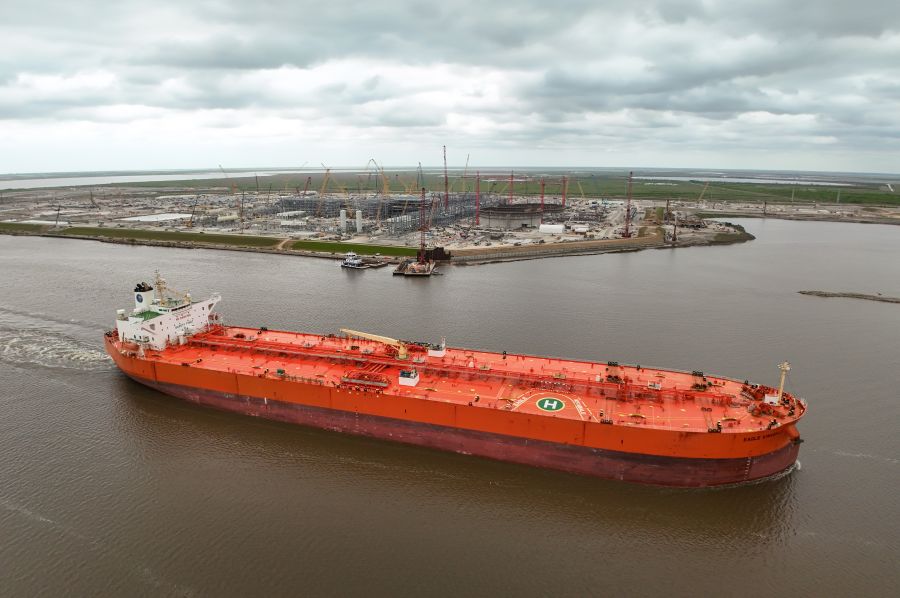
The United Kingdom Maritime Trade Operations agency reported that a tanker traveling through the Strait of Hormuz was struck by an unidentified projectile Saturday.
Another vessel was reportedly hit while leaving the Gulf last Thursday.
The incidents underscore the continuing threat to commercial shipping despite growing optimism surrounding diplomatic negotiations.
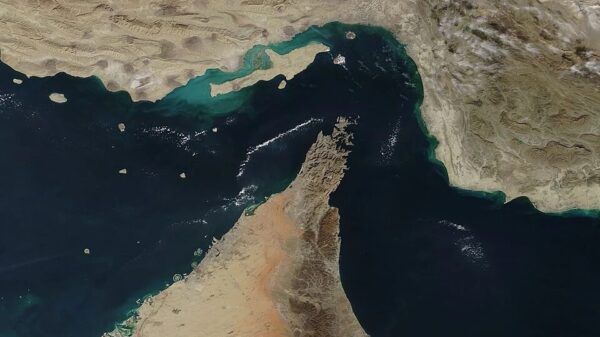
The Strait of Hormuz remains one of the world’s most important maritime routes for oil shipments, making disruptions there particularly consequential for international energy markets.
For Trump, the market reaction highlights the potential economic consequences of reducing tensions with Iran while maintaining pressure for a negotiated agreement.
Although the president has not ruled out additional military action, his latest remarks have prompted traders to reconsider the likelihood of renewed fighting.
By Monday, Brent crude had fallen to its lowest level since early September, while American oil prices also declined sharply as investors weighed the possibility of a diplomatic resolution.