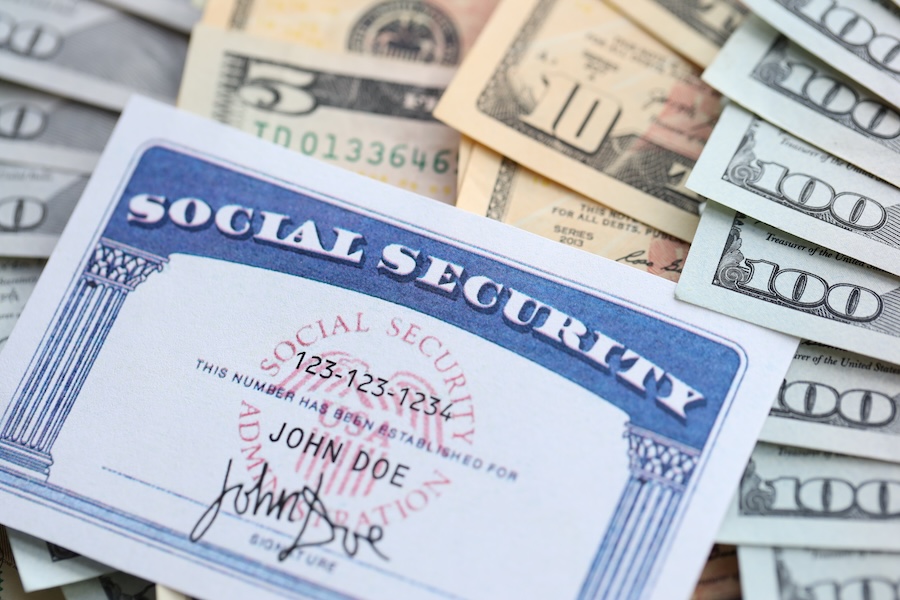

Millions of Americans who depend on Social Security could face a significant reduction in retirement benefits within the next decade unless Congress intervenes, and lawmakers are preparing to revisit the program’s worsening financial outlook.
A Senate hearing reportedly scheduled for November 18 comes as federal projections show that Social Security’s primary retirement trust fund could run out of reserves in late 2032, potentially leaving the program unable to pay more than 78 percent of promised benefits.
The alarming forecast raises the possibility of an effective 22 percent reduction in scheduled retirement and survivor benefits, a scenario that could place considerable financial pressure on seniors already struggling with rising living expenses.
The warning comes directly from the Social Security Administration’s 2026 trustees report, released in June, which found that the Old-Age and Survivors Insurance Trust Fund is on track to exhaust its reserves during the fourth quarter of 2032. That deadline moved forward by three months compared with last year’s projections.
Importantly, the findings do not mean Social Security payments will disappear entirely. Payroll taxes would continue generating revenue, allowing the government to distribute reduced benefits even after the reserves are exhausted.
However, without legislative action, the difference between promised payments and available funding could become a major problem for retirees who rely on monthly checks to cover housing, groceries, medical expenses, and other necessities.
The picture offers slightly more breathing room. When retirement and disability insurance finances are considered together, the trustees project that combined reserves could last until 2034. At that point, incoming revenue would cover approximately 83 percent of scheduled benefits.
The two trust funds are legally separate, meaning Congress would need to authorize changes before their reserves could be combined.
The financial difficulties have been building for years as the number of Americans collecting retirement benefits grows and the program faces mounting pressure from demographic changes.
According to the trustees, Social Security’s annual expenses have exceeded its total income since 2021, forcing the program to draw on accumulated reserves to meet its obligations. The Senate Budget Committee has scheduled its November 18 hearing, titled “Social Security: The Reality,” for 11 a.m. Eastern in the Dirksen Senate Office Building.
Republican Sen. Ron Johnson of Wisconsin is listed as the presiding senator, while Democratic Sen. Jeff Merkley of Oregon is expected to participate. Scheduled witnesses include retirement policy researchers and economists who will examine the program’s financial challenges.
Lawmakers have several possible approaches to strengthening Social Security, including adjustments to payroll taxes, changes to retirement eligibility rules, and modifications to how future benefits are calculated.
Each option presents difficult political decisions, particularly because changes could affect millions of current and future retirees.
Senate Finance Committee Chairman Mike Crapo previously warned that delaying action would only make the problem more difficult to resolve.
“The longer we wait, the more difficult this challenge will become,” Crapo said during an August hearing on Social Security solvency.
For Americans approaching retirement, the stakes are substantial. A hypothetical $2,000 monthly benefit reduced by 22 percent would fall to $1,560, representing a loss of $440 each month.
No such reduction has been approved or announced. The projections instead illustrate what could happen if Congress fails to address the funding shortfall before the trust fund reaches its projected depletion date.
With fewer than seven years remaining before that deadline, the upcoming Senate hearing places one of Washington’s most consequential financial challenges back before lawmakers.