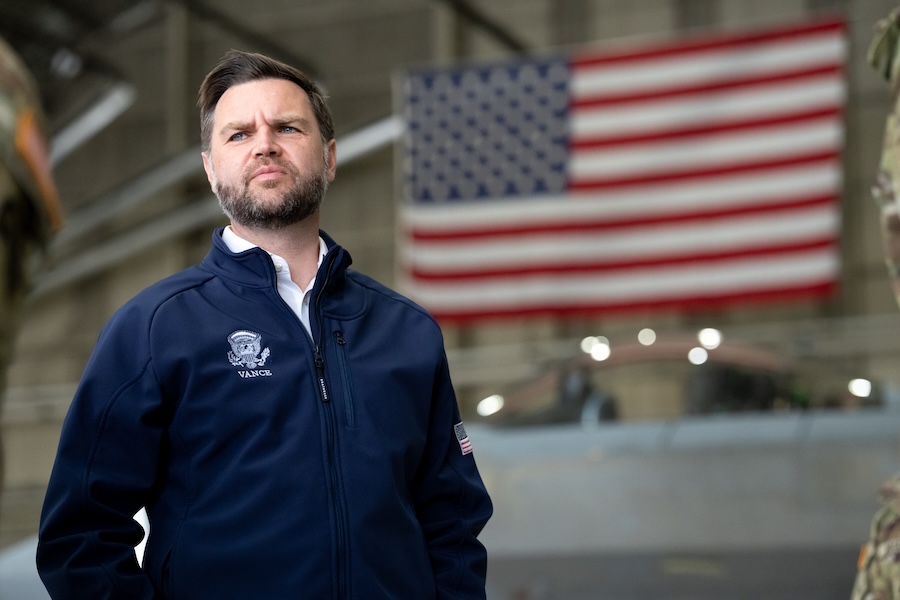

Vice President JD Vance is reportedly reconsidering whether to seek the presidency in 2028, as Republicans confront the fallout from a devastating midterm election and growing uncertainty over the future of President Donald Trump’s political movement.
According to a new report, Vance has seriously considered sitting out the next presidential election despite previously being viewed as the clear frontrunner to succeed Trump. Interviews with roughly a dozen allies and advisers suggest the 42-year-old vice president is weighing his political ambitions against an increasingly difficult electoral environment.
The uncertainty comes after Republicans suffered sweeping losses in the November 3 midterms, surrendering control of Congress and raising questions about whether the coalition that delivered Trump’s 2024 victory can be rebuilt before the next presidential contest.
One Vance ally told CNN that passing on 2028 would not necessarily mean abandoning his White House ambitions altogether.
“I wouldn’t be surprised by any decision he makes,” the ally said. “He’s only 42. He’s young enough that he can have a comeback should this environment make success impossible. It just may not be his time.”
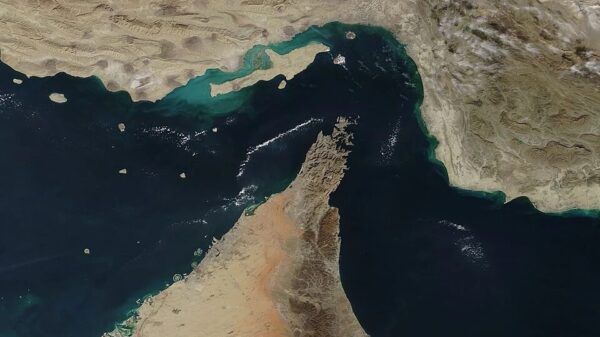
The report identifies the ongoing war with Iran as one of the biggest obstacles facing Vance, whose political future remains closely tied to the Trump administration’s performance. One ally questioned whether any Republican could win the presidency if the conflict remains unresolved heading into 2028.
“The question isn’t if JD can do it. It’s: If the Iran war is still happening, can any Republican do it?” the ally told CNN. “If they don’t end the war in Iran, no Republican has a shot at 2028.”
Vance appeared to acknowledge those concerns immediately after the midterms, publishing a lengthy statement on X that blamed the Republican defeats largely on the war.
ARLINGTON, VA, USA – November 11, 2026: U.S. Vice President JD Vance waves to the attendees at the National Veterans Day Observance at Arlington National Cemetery.
“The reason we lost is the war. The president himself said so last night,” Vance wrote.
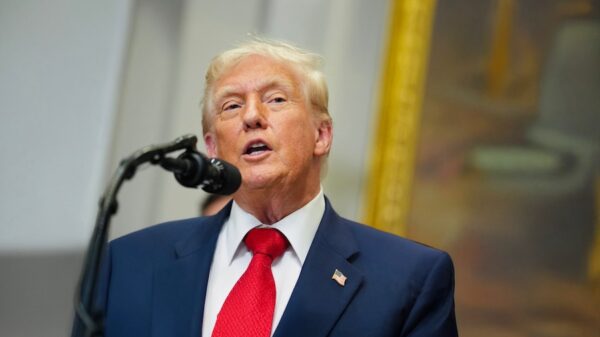
His remarks reportedly caused frustration within Trump’s inner circle, although the president publicly agreed with much of his vice president’s assessment while defending his decision to launch military operations against Iran.
The political uncertainty has also encouraged other prominent Republicans to position themselves for a potential presidential campaign, including Florida Gov. Ron DeSantis, Texas Sen. Ted Cruz and Georgia Gov. Brian Kemp.
However, Vance’s supporters insist he remains a formidable contender.
A separate Washington Post report published Friday found that several close allies still believe Vance is more likely than not to enter the race. Some argue that political conditions could change dramatically over the next two years, particularly if Republicans successfully shift attention toward a Democratic-controlled Congress.
Personal considerations are also playing a role. Vance and his wife, Usha, welcomed their fourth child over the summer, and those close to the vice president say the demands of raising a young family have influenced his thinking.
Meanwhile, Trump has declined to commit to endorsing Vance, leaving open the possibility of a competitive Republican primary. For now, the vice president has established no formal timeline for announcing his intentions.
His decision could ultimately depend on whether the administration can end the Iran conflict, restore confidence among disillusioned Republican voters and rebuild the political coalition that propelled Trump back into the White House.
Despite the uncertainty, Vance’s allies maintain that his political career is far from over, regardless of whether he decides to pursue the presidency in 2028.