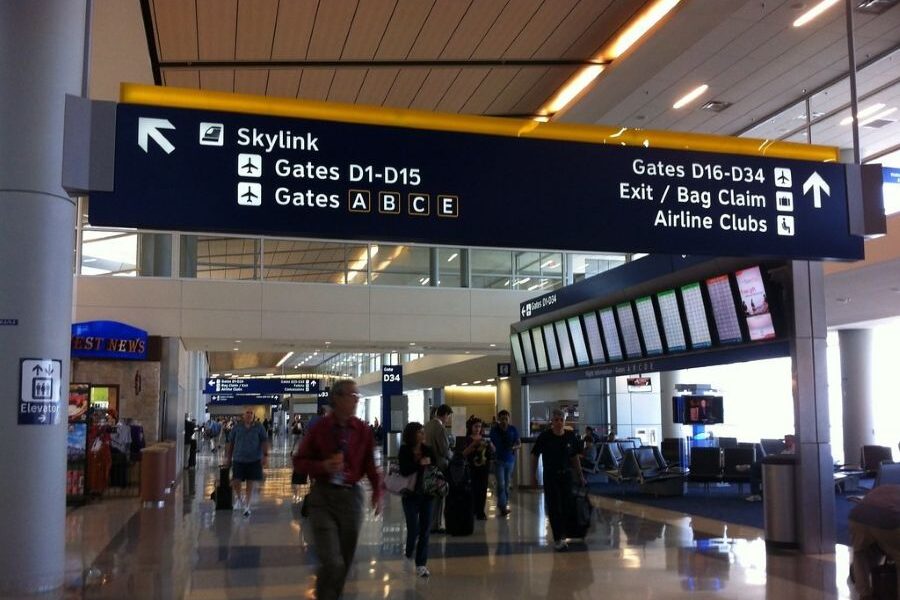

Dallas-Fort Worth International Airport is moving ahead with plans to install Islamic ablution stations inside airport restrooms, sparking backlash from some conservatives who questioned why a major Texas airport was adding religiously specific facilities.
The project was officially registered with the Texas Department of Licensing and Regulation on July 31 and is expected to be completed by the end of the year.
The planned upgrades call for Wudu washing stations to be added inside existing restrooms in Terminal D.
“Project consists of adding Ablution stations to existing concourse level restrooms in Terminal D, one Men’s ablution station in existing men’s restroom and one Women’s ablution station in the existing women’s restroom,” the project details read.
The project is privately funded and is expected to cost roughly $300,000, according to the state filings.
Wudu is a ritual washing practice performed by Muslims before prayer, and the low-level stations are designed to allow travelers to wash without using standard bathroom sinks.
The airport project quickly drew attention online, with some conservatives objecting to the idea of installing facilities specifically designed around Islamic religious practices at one of the busiest airports in the country.
Others pushed back on the outrage and argued that the decision was more practical than political.
OMG
Islamic foot wash stations are being installed inside the bathrooms at Dallas-Fort Worth International Airport pic.twitter.com/rgvsuw1PW3
— Libs of TikTok (@libsoftiktok) August 12, 2026
Conservative activist Ryan Fournier urged critics to look at the logistics behind the installation before assuming the airport was promoting any particular ideology.
“People are freaking out over foot-washing stations at DFW, but let’s look at the actual facts before jumping to conclusions. This isn’t about pushing an ideology — it’s basic airport management,” Fournier wrote on social media.
Supporters of the project say travelers attempting to wash their feet in ordinary restroom sinks can leave water on the floor and damage counters, creating both maintenance and safety problems.
“Safety & Plumbing: People washing their feet in standard bathroom sinks creates soaked, slippery floors and breaks the counters. Low-level wudu basins keep the restrooms dry and safe for everyone,” he continued.
Similar facilities and interfaith spaces already exist at several major U.S. airports that handle large volumes of international travelers, including Chicago O’Hare International Airport.
“Standard Infrastructure: DFW is one of the busiest travel hubs on the planet. Major U.S. airports like Chicago O’Hare and Indianapolis have had these and interfaith rooms for years to handle international traffic cleanly,” Fournier added.
Still, the project has touched a nerve among some conservative travelers who see the decision as another example of public institutions making special accommodations based on religious practices.
The airport, however, appears to be treating the installation primarily as a facilities issue aimed at keeping standard sinks and floors from being damaged or left soaked.
Fournier said the addition is “just about keeping the bathrooms clean and preventing people from slipping on wet tiles. Plain and simple.”
With construction expected to wrap up by the end of the year, the controversy is likely to continue as DFW becomes the latest major American airport to add dedicated ablution facilities for Muslim travelers.
POLL: Should Sanctuary Cities Be Banned From Federal Funding?