
A newly released financial projection out of North Carolina is raising serious questions about the rapid explosion in autism-related government spending — and critics are now demanding nationwide investigations into where the money is going.
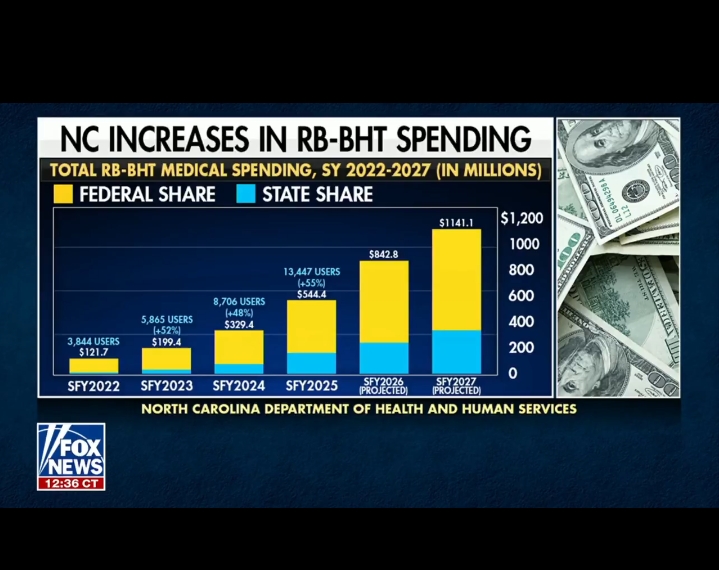
According to the data, North Carolina spent approximately $121.7 million on autism-related services in 2022. By 2027, that number is projected to soar to a staggering $1.141 billion.
That represents an eye-popping 837% increase in just five years.
The sharp rise has sparked outrage among watchdog groups and fiscal conservatives, many of whom argue the spending growth far exceeds the actual increase in autism diagnoses.
“The use of this therapy far outpaces increases in autism diagnosis,” one analyst noted while discussing the report.
Much of the spending surge is reportedly tied to behavioral therapies and Medicaid-funded autism treatment programs, which have expanded rapidly across the state in recent years.
Critics are now warning that weak oversight and massive financial incentives may have opened the door to abuse, waste, and potential fraud within the system.
“This isn’t sustainable,” one government accountability advocate said. “When spending jumps nearly tenfold in a few years, taxpayers deserve answers.”
The revelation has fueled growing calls for federal and state audits into autism-related billing practices nationwide, with some lawmakers expected to push for deeper investigations into Medicaid reimbursement systems and therapy providers.
Supporters of the programs argue that increased awareness and broader access to care have contributed to the higher costs. But opponents say the numbers are simply too extreme to ignore.
As pressure mounts, many are now asking whether North Carolina is an isolated case — or just the first state where the full scale of the spending surge has come to light.