
The U.S. Treasury Department is developing plans to redirect frozen Iranian assets toward rebuilding and repair efforts in Gulf states affected by damage from Iranian missile and drone strikes during the ongoing conflict.
According to a report from CBS News, the initiative aims to support U.S. allies in the region, including Saudi Arabia, the United Arab Emirates, Kuwait, Bahrain, Qatar, and Oman, all of which have been struck by Iranian drone and missile fire since the conflict erupted on February 28.
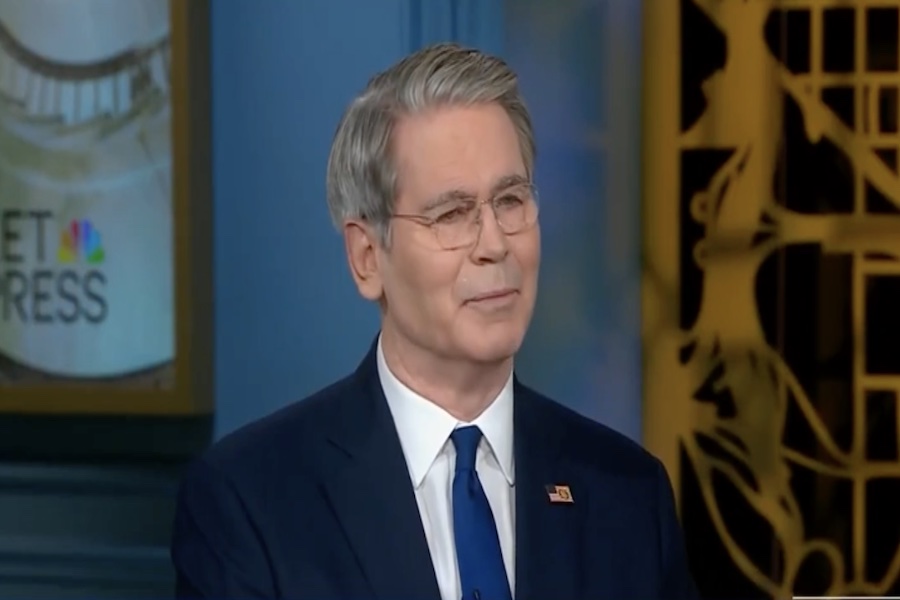
A source familiar with Treasury Secretary Scott Bessent’s thinking told CBS News that the department intends to utilize all available authorities to make Iranian assets accessible for rebuilding and repair efforts related to any future damage inflicted by Iran. Bessent has directed the Treasury to seek comprehensive estimates from Gulf allies on the costs of repairing damage caused by Iran since the conflict started.
Officials are also evaluating whether such assets could finance repairs for damage already sustained.
Details on the specific assets remain unclear, though potential sources include Iranian cash held in frozen bank accounts or hard assets such as oil tankers. The plan focuses on leveraging these resources to offset reconstruction costs without direct U.S. funding burdens.
The Gulf states have faced intermittent strikes throughout the conflict. Iran has launched missiles and drones targeting infrastructure across the region, with notable incidents affecting airports and other facilities in Kuwait, the UAE and Bahrain.
This approach occurs amid indirect peace talks between the U.S. and Iran. Tehran has consistently demanded the lifting of sanctions and the release of billions in frozen assets as a condition for any agreement.
The frozen assets have emerged as a central sticking point in negotiations. Iran maintains that access to these funds, accumulated from oil sales and other holdings blocked under sanctions, is essential for economic relief.
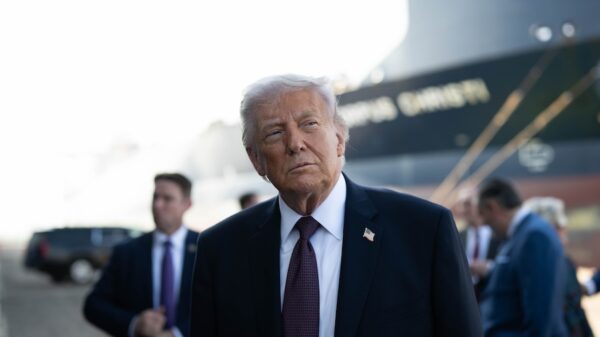
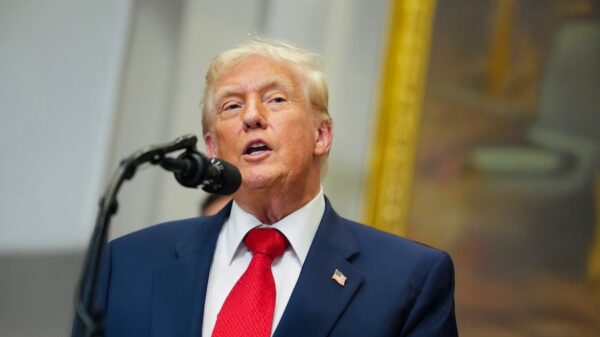
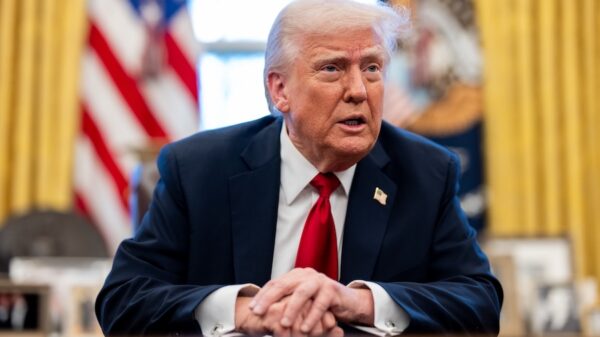
President Donald Trump has consistently stated that any deal involving sanctions relief or the release of frozen assets can only occur if Iran abandons its nuclear program and gives up its supply of enriched uranium,
“We have control of money that they claim is theirs. We’ll keep control of that money. When they behave properly, and when they do what’s right, we’ll let them have their money. But right now, we’re not doing that,” the president said in a recent interview.