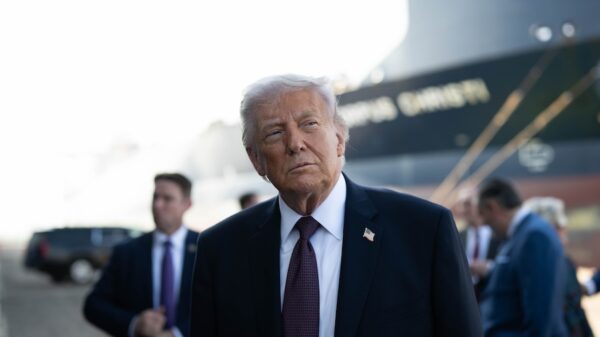

Global oil prices have plunged to their lowest levels since March in the hours following President Donald Trump’s announcement of a long-anticipated peace agreement in the Iran conflict.
Immediately following U.S. and Israeli strikes on Iranian targets in late February, the regime immediately moved to close the Strait of Hormuz. Prior to the eruption of the conflict, roughly 20 percent of global oil trade traversed through the strait.
This led to immediate supply concerns and price increases. Brent crude, the international benchmark, rose significantly in early March, surpassing $100 per barrel at peaks and climbing as high as $119 in some sessions amid fears of prolonged disruptions.
West Texas Intermediate (WTI) crude followed a similar trajectory, reflecting heightened geopolitical risk premiums in the market.
Throughout the following weeks and months, prices experienced repeated volatility. Initial surges tied to the closure of the strait and attacks on energy infrastructure were followed by partial recoveries when temporary ceasefires or negotiation signals emerged. For instance, prices eased at times in April and May on reports of mediated talks, only to climb again with renewed military actions or threats.
Seasonal demand factors, OPEC+ decisions, and inventory draws added further strains, keeping benchmarks elevated overall compared to pre-conflict levels. Brent averaged well above $90 for extended periods, with intermittent spikes driven by uncertainty over shipping routes and Iranian oil exports.
Following the announcement of Sunday’s deal, prices have dipped significantly. Brent crude has traded around $83–$88 per barrel in recent sessions, marking its lowest levels since early March. WTI has similarly declined to the low $80s, down several percent in single-day moves following positive statements on the deal.
This represents a drop of approximately 20 percentfrom 2026 highs reached during peak conflict tensions. Market participants have cited optimism over potential reopening of the Strait of Hormuz and restored supply flows as key drivers behind the sell-off.
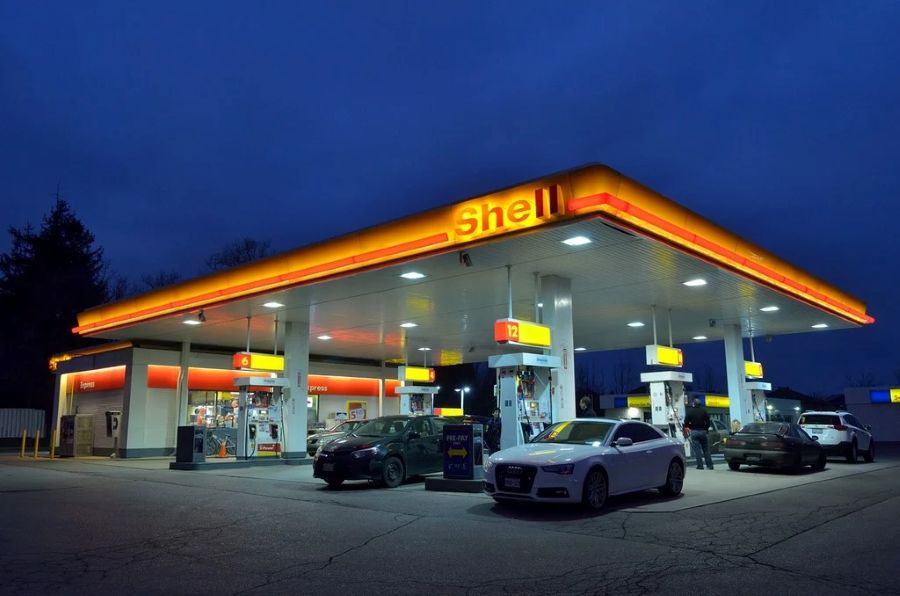
U.S. gasoline prices, which rose sharply after the conflict began — reaching averages above $4 per gallon nationally — have already shown modest declines in response to falling oil benchmarks. Further reductions could materialize in the coming weeks if supply normalizes, though regional variations, refining margins, and taxes will influence the extent of any savings.
🚨 NOW: The price of oil is PLUNGING on the verge of below $80 per barrel after President Trump scores a generational victory in Iran
Democrats are livid tonight!
UFC at the White House + 47 strikes a peace deal, solidifying his position as the Peace President! 🇺🇸🇺🇸
And it… pic.twitter.com/rro4UsBqSh
— Eric Daugherty (@EricLDaugh) June 14, 2026
The proposed agreement centers on a memorandum of understanding aimed at stabilizing the situation. Key elements include the immediate reopening of the Strait of Hormuz to unrestricted, toll-free shipping; lifting of the U.S. naval blockade on Iranian ports in phases; commitments regarding Iran’s nuclear program, such as addressing enriched uranium stockpiles and preventing weaponization and phased sanctions relief tied to compliance.
Signing is anticipated this coming Friday in Switzerland, according to a statement from Vice President JD Vance.