
Oil prices jumped Monday before paring some of their gains after Iran and Israel both said they had halted attacks, easing immediate fears that the latest exchange of strikes could spiral into a wider Middle East war.
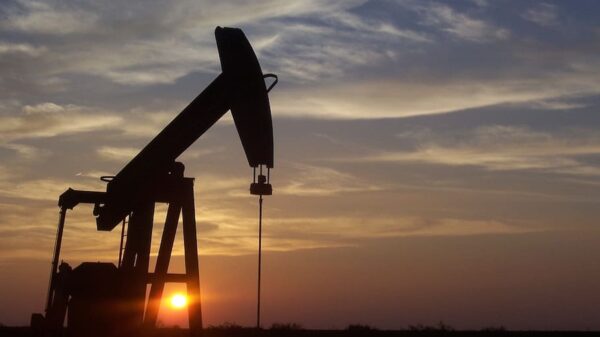
Brent crude rose as much as 5% earlier in the session before pulling back to trade around $94.85 per barrel, while U.S. West Texas Intermediate crude climbed to about $92.07. The move still left both benchmarks higher on the day, but the retreat from session highs showed traders were taking some comfort from signs that the latest round of fighting may be contained.
The volatility came after a renewed flare-up between Iran and Israel raised new concerns about global energy supplies. Israel reportedly launched new strikes on Iranian targets, while Iran responded with attacks of its own.
Those concerns eased after Tehran announced that it had ended its latest military operations against Israel. Israel also indicated that it had stopped its attacks, helping calm a market that had been bracing for the possibility of a longer and more dangerous confrontation.
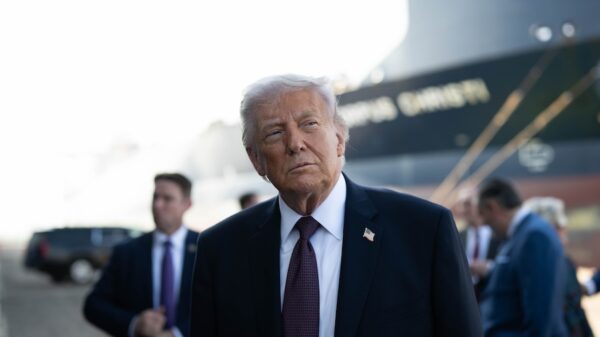
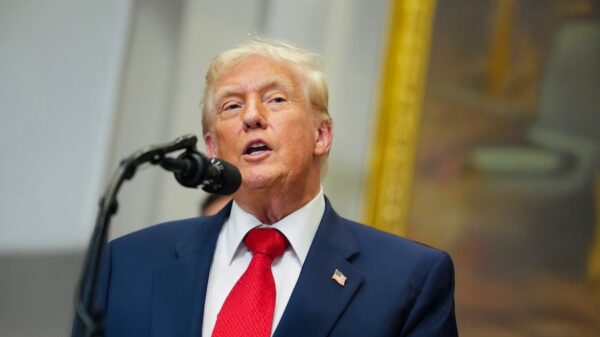
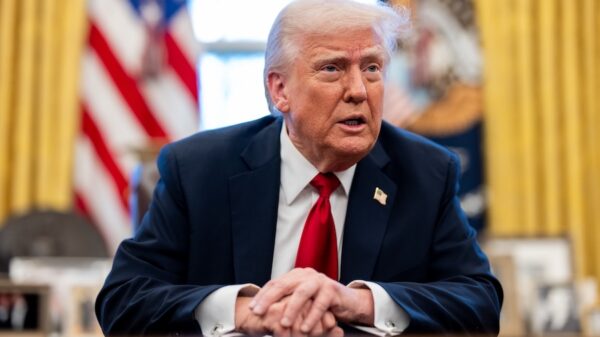
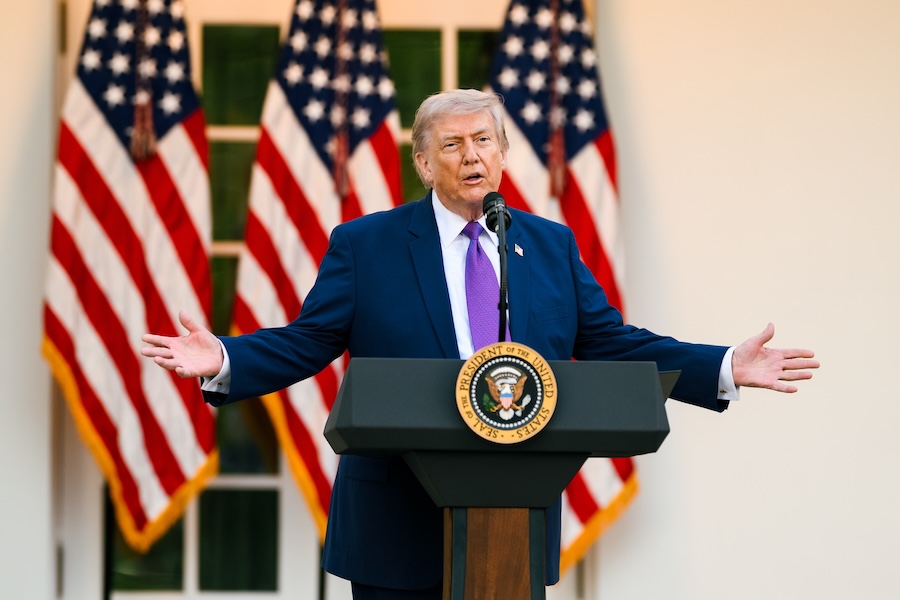
President Donald Trump had urged both sides to stop fighting, and his appeal appeared to play a role in cooling tensions, at least for the moment. The pause gave oil traders a reason to pull back from the most aggressive bets on a major supply shock.
Still, the situation remains fragile. Iran warned that it would resume strikes if Israel continued attacks tied to Hezbollah in Lebanon. That warning kept a risk premium in oil prices, since traders remain wary that one more major strike could quickly erase the market’s brief sense of relief.
LPG gas and oil tanker ships anchored in the ocean, with a fast patrol boat in the foreground. Global energy transport, war energy crisis, and Strait of Hormuz blockade concept.
The biggest concern continues to be the Strait of Hormuz, the narrow waterway that serves as one of the most important energy chokepoints in the world. Roughly one-fifth of global oil and gas supplies move through the strait, making any disruption there a major threat to consumers, refiners and governments around the world.
Even the possibility of a prolonged restriction in the strait is enough to send prices higher. Traders fear that a war involving Iran could interfere with tanker traffic, delay shipments and force buyers to scramble for alternative supplies. That risk has helped keep crude elevated even when prices pull back from sudden spikes.
The latest move also comes after months of upward pressure in energy markets. Brent crude has climbed roughly 31% since the conflict began more than 100 days ago, while WTI has risen about 37% according to Reuters. That surge has added pressure to economies already dealing with high borrowing costs, inflation concerns and uncertainty over global demand.
OPEC+ has attempted to ease some pressure by moving forward with another output target increase, its fourth in four months. However, analysts remain skeptical that those increases will fully offset the risks coming out of the Middle East. Production problems, sanctions, war-related disruptions and questions about spare capacity have all limited confidence that supply can quickly catch up if the crisis worsens.
Saudi Arabia has also lowered oil selling prices to Asia for the second straight month, a sign that major producers are still watching demand closely, especially from China. But even softer demand signals have not been enough to erase the war premium hanging over crude markets.
For American consumers, the concern is that sustained higher crude prices could eventually feed into gasoline, diesel, airline and shipping costs. Energy prices can move quickly when geopolitical tensions rise, and even a temporary spike can ripple through supply chains if it lasts long enough.
Monday’s price action showed how dependent oil markets have become on each new headline from the region. A strike can send crude sharply higher within minutes. A statement about halting attacks can pull prices back almost as fast.
For now, the market is reacting with cautious relief.